Comfortable, personalized appliances
Your device is made for your mouth and advanced gradually, helping balance airway goals with tooth and jaw comfort.
Oral appliances · Frisco, Texas
A custom-fitted dental appliance can offer comfortable, portable support for selected adults with primary snoring or diagnosed obstructive sleep apnea.
Sleep apnea relief in Frisco
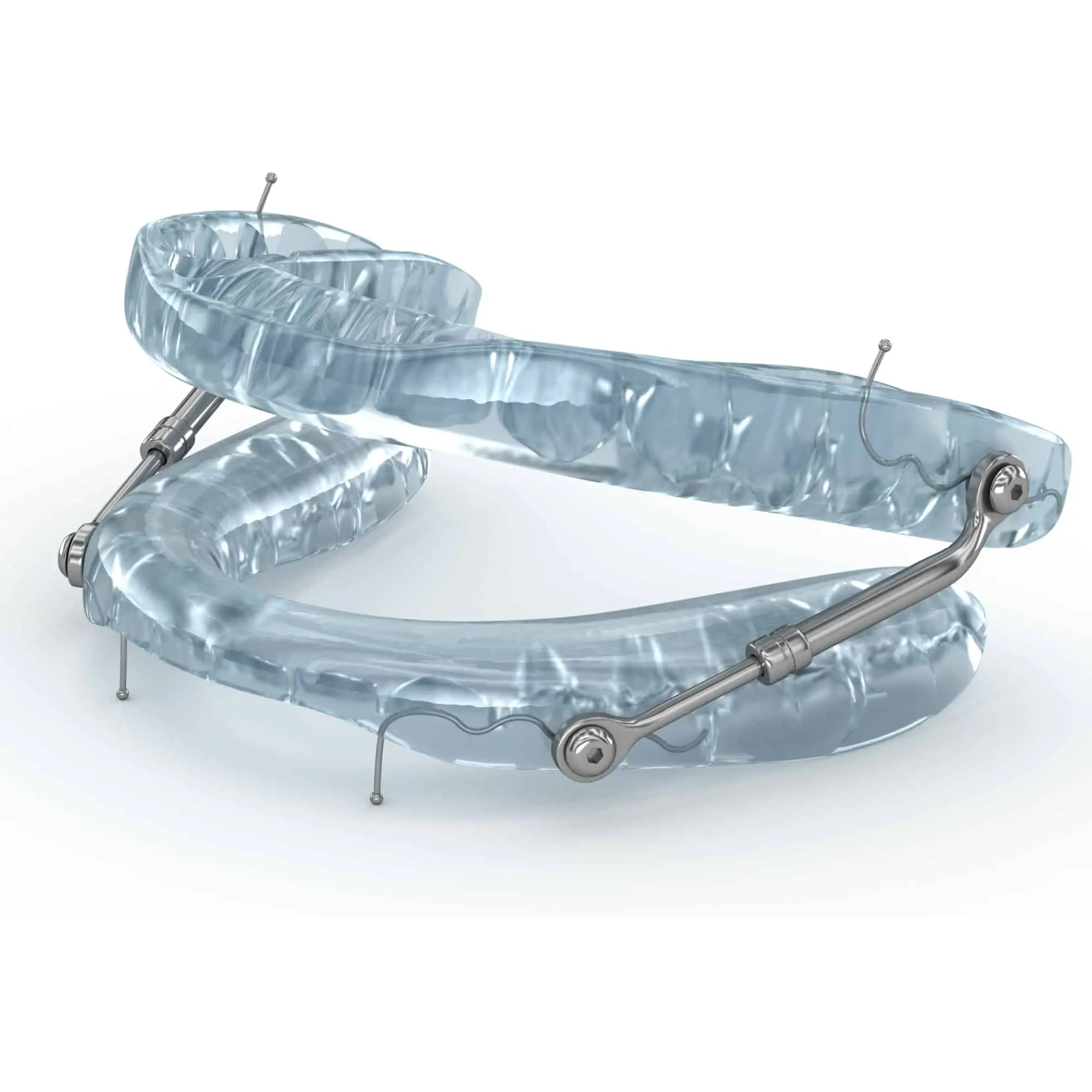
A mandibular advancement device is worn over the teeth while you sleep. It gently supports the lower jaw in a forward position, which can help maintain space behind the tongue and reduce upper-airway collapse or vibration.
The appliance must be selected and adjusted for your anatomy, teeth, gums, jaw joints, diagnosis, and treatment goals. A medical sleep study establishes whether obstructive sleep apnea is present; the dentist then works within that diagnosis to provide and monitor dental therapy.
Why Stonebriar
Your device is made for your mouth and advanced gradually, helping balance airway goals with tooth and jaw comfort.
Digital impressions and, when clinically indicated, CBCT imaging help the team evaluate anatomy and plan with greater detail.
The dentist collaborates with the diagnosing sleep provider and uses follow-up testing to help verify treatment response.
Who may benefit?
Oral appliance therapy may be recommended for primary snoring or obstructive sleep apnea after the diagnosis, severity, anatomy, preferences, and other treatments have been considered.
A complete evaluation
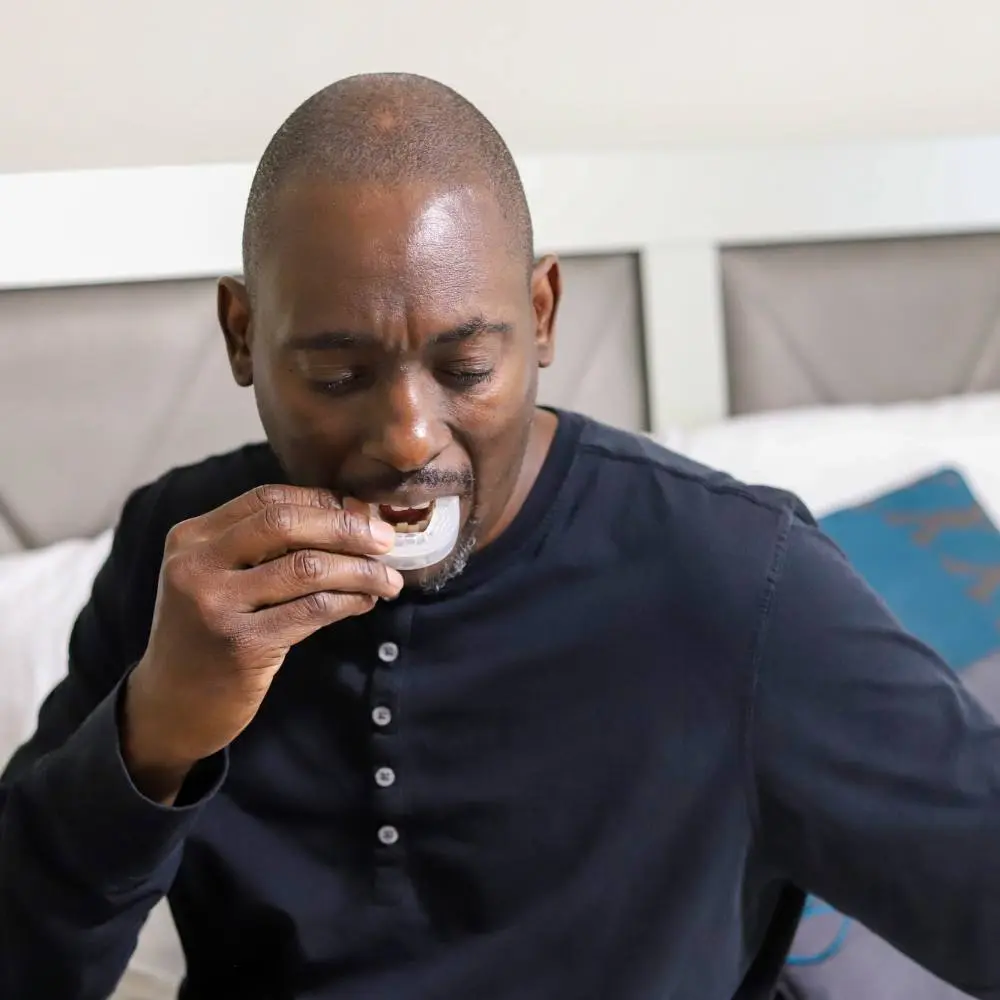
Before an appliance is prescribed, the team reviews the sleep diagnosis and examines the structures that will support the device.
Your treatment journey
Select an appropriate appliance and create it from precise records of your teeth and bite.
Confirm fit and retention, then review placement, removal, cleaning, storage, and morning care.
Move the lower-jaw setting gradually according to comfort, symptoms, and clinical guidance.
Complete physician-directed follow-up testing to measure whether breathing events have improved adequately.
Return periodically so the device, bite, teeth, gums, jaw comfort, and sleep response can be monitored.
Potential benefits
The device operates without a motor, tubing, electricity, or bedside equipment.
A protective case makes the appliance relatively simple to carry and use away from home.
Treatment does not require an operation and can be adjusted incrementally.
Custom fabrication provides greater precision than boil-and-bite or retail snoring products.
Effective therapy may reduce snoring and support more restorative sleep, energy, and concentration.
For selected patients, a physician may recommend an appliance alone or alongside PAP therapy.
What to expect
New oral appliances can temporarily increase saliva or dryness and may cause tooth, muscle, or jaw tenderness. Gradual advancement and timely adjustments help the team respond before a small concern becomes a reason to stop treatment.
Do not bend, trim, heat, or advance the appliance beyond the instructions provided.
Daily care
Brush and floss before bedtime so food and plaque are not trapped beneath the device overnight.
Use a soft brush, cool or lukewarm water, and the cleaning product recommended for its material. Avoid abrasive toothpaste unless instructed.
Allow the appliance to air-dry and keep it in a ventilated protective case away from heat, children, and pets.
The team checks cleanliness, fit, wear, retention, settings, oral health, and possible bite changes.
Oral appliance & PAP
| Consideration | Oral appliance | PAP therapy |
|---|---|---|
| How it works | Supports the jaw to help maintain airway space | Uses pressurized air to help keep the airway open |
| Common role | Selected primary snoring or OSA cases | Highly effective across OSA severity levels |
| Equipment | Small custom dental device | Machine, mask, and tubing |
| Monitoring | Dental follow-up plus medical sleep testing | Sleep-clinician follow-up and device data |
| Important note | Do not stop or change prescribed therapy without the clinician managing your sleep apnea. | |
Oral appliance FAQ
Medical diagnosis and sleep-study information are important when obstructive sleep apnea is suspected. An appliance for primary snoring should also follow screening to reduce the risk of overlooking OSA.
Possibly for selected patients, but only after discussion with the sleep clinician. Do not discontinue or reduce PAP settings on your own.
Improved symptoms are useful, but follow-up sleep testing is generally needed to verify changes in breathing events and oxygen levels.
Gradual tooth movement or bite changes are known risks. Baseline records, appropriate design, prescribed morning care, and ongoing monitoring help manage them.
Service life depends on the material, grinding, care, oral changes, and use. Regular reviews help identify wear before performance or safety is affected.
Retail products are not planned from your diagnosis, teeth, joints, or bite and may fit poorly. Diagnosed OSA should be treated with a professionally selected and monitored device.
Personalized nighttime support
Bring your sleep-study information to Stonebriar Smile Design in Frisco and explore a comfortable, physician-coordinated treatment option.