
Emergency dentistry · Frisco, Texas
Relief beginswith answers.Urgent care, thoughtfully delivered.
When dental pain, injury, or a broken restoration cannot wait, our Frisco team works to identify the cause, protect your smile, and help you feel comfortable again.
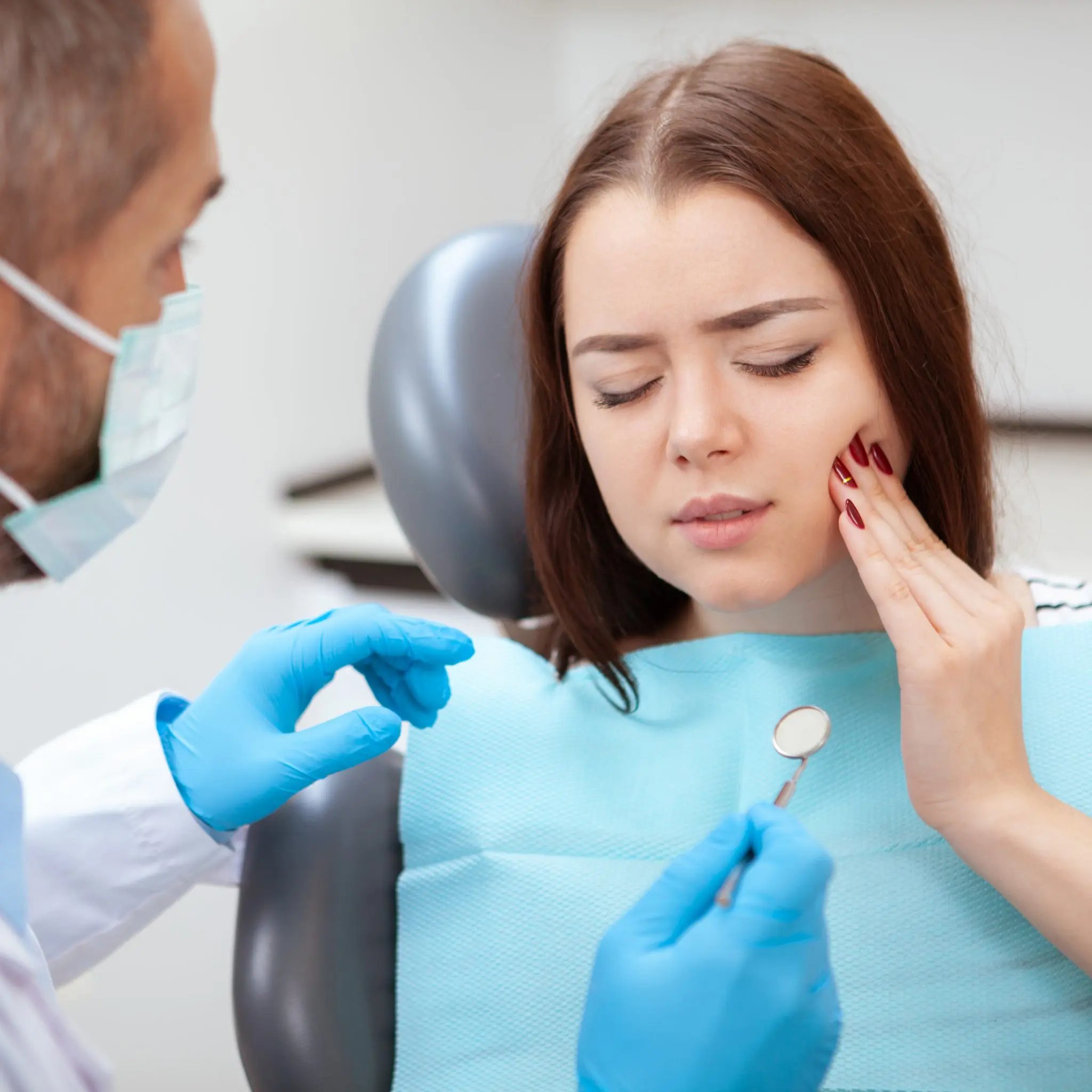
Fast, effective emergency care
Find the source of discomfort. Plan the right next step.
Dental pain can have many causes, and a timely diagnosis matters.
Stonebriar Smile Design combines a broad understanding of restorative dentistry with advanced imaging to evaluate infection, trauma, damaged teeth, and failing dental work.
Our team is dedicated to seeing emergency patients as quickly as availability allows. We explain the findings, discuss appropriate options, and consider comfort measures and financing before treatment begins.
Why Stonebriar
Calm guidance when the unexpected happens.
Timely appointments
We make every reasonable effort to evaluate urgent dental concerns as quickly as our schedule permits.
Technology & comfort
3D cone beam imaging can add important diagnostic detail, while sedation options may help appropriate patients feel more at ease.
Transparent options
We review recommended care, alternatives, expected fees, and available financing before moving forward.
Medical emergency or dental emergency?
Some symptoms need the emergency room first.
Call 911 or go to the nearest emergency room for difficulty breathing or swallowing, a suspected broken or dislocated jaw, uncontrolled bleeding, major facial trauma, or another potentially life-threatening condition. After immediate medical needs are stabilized, our dental team can help with related oral injuries.
Seek emergency medical help for:
- Difficulty breathing or swallowing
- A broken or dislocated jaw
- Bleeding that will not stop
- Major facial trauma or loss of consciousness
- Rapidly increasing swelling affecting the airway
What to do in a dental emergency
Four clear steps from first contact to appropriate care.
Contact the office
Describe what happened, when symptoms began, and whether swelling, bleeding, fever, or trauma is present. The team can provide first-aid guidance and arrange the earliest appropriate visit.
Receive an emergency exam
We help you get comfortable, examine the affected area, and take necessary X-rays or 3D imaging to identify the cause.
Review the findings
Your dentist explains the diagnosis, immediate priorities, treatment choices, risks, timing, and costs so you understand what happens next.
Begin appropriate treatment
Care focuses on controlling pain or infection and preserving teeth when possible. Sedation may be discussed when clinically appropriate.
The most common dental emergencies
Know what to do before you arrive.
Call the dental office when symptoms are new, painful, persistent, or concerning—even when you are unsure whether the situation is urgent.
Severe toothache
Pain lasting more than a day, swelling, fever, or a pimple-like bump near a tooth may indicate infection.
What should I do?
Rinse gently with warm salt water, use a cold compress outside the face, and follow labeled directions for an over-the-counter pain reliever if it is safe for you. Do not place aspirin on the gum.
Possible care: Treatment depends on the cause and may include removing trapped debris, a filling, root canal therapy, a crown, periodontal care, or extraction.
Severe sensitivity
Intense, lingering, or localized hot-and-cold sensitivity may be connected to decay, a crack, enamel loss, or gum recession.
What should I do?
Avoid very hot, cold, acidic, sweet, or spicy foods and arrange an evaluation. Lukewarm salt-water rinsing may feel soothing.
Possible care: Fluoride, a filling, periodontal therapy, root canal treatment, or another restoration may be recommended after diagnosis.
Chipped or cracked tooth
Even a small fracture can expose deeper tooth structure and should be assessed before it worsens.
What should I do?
Rinse gently, save any fragment, protect a sharp edge with orthodontic wax, avoid chewing on the tooth, and use a cold compress for swelling.
Possible care: Bonding, a filling, crown, root canal therapy, or extraction may be considered depending on depth and location.
Knocked-out permanent tooth
This is time-sensitive. Contact the office immediately; earlier treatment may improve the possibility of replantation.
What should I do?
Hold the tooth only by the crown, never the root. If dirty, rinse it briefly and gently without scrubbing. Try to place it back in the socket if safe, or keep it moist in milk or an appropriate tooth-preservation solution. Do not reinsert a baby tooth.
Possible care: The dentist may attempt replantation and stabilization. If the tooth cannot be saved, replacement options can be discussed after healing.
Lost filling or crown
A missing restoration can leave the tooth sensitive and vulnerable to additional damage or infection.
What should I do?
Save the crown if you find it, keep the area clean, and avoid chewing on that side. Temporary dental cement may protect the area; never use household glue.
Possible care: A usable restoration may be recemented. Otherwise, the filling or crown may need repair or replacement.
Loose permanent tooth
A tooth loosened by trauma or periodontal disease needs prompt assessment if it is to have the best chance of being preserved.
What should I do?
Do not wiggle the tooth or chew on it. Use a cold compress for swelling and arrange urgent care.
Possible care: A traumatized tooth may be stabilized with a splint. Periodontal therapy, extraction, or later replacement may be necessary in other situations.
Broken denture
A damaged denture can irritate tissues and interfere with comfortable eating and speaking.
What should I do?
Stop wearing a sharp or unstable denture and store it safely in water or cleaning solution. Do not repair it with superglue or other household products.
Possible care: Adjustment, professional repair, replacement, or an implant-supported option may be discussed.
Soft-tissue injury
Cuts to the gums, lips, cheeks, or tongue may bleed heavily even when the wound is relatively small.
What should I do?
Rinse with clean water and hold firm pressure with sterile gauze or a clean cloth. Apply a cold compress after bleeding slows. Seek emergency medical care if bleeding does not stop after firm pressure.
Possible care: The team can assess associated tooth damage and recommend protection such as an athletic mouthguard.
Jaw pain or clenching
Recurring jaw pain may be associated with bruxism, bite strain, or a TMJ disorder and deserves timely evaluation.
What should I do?
Choose softer foods, limit wide opening and unnecessary jaw movement, and avoid resting your chin in your hand. A broken or dislocated jaw requires emergency medical care.
Possible care: Diagnosis may lead to a custom nightguard, bite-related care, or TMJ therapy.
Object between teeth
Food or another object that remains lodged can cause significant pressure and gum irritation.
What should I do?
Try gentle waxed floss and a warm salt-water rinse. Never use a knife, pin, tweezers, or another sharp object between teeth.
Possible care: If floss does not work, the dental team can remove the object without injuring the teeth or gums.
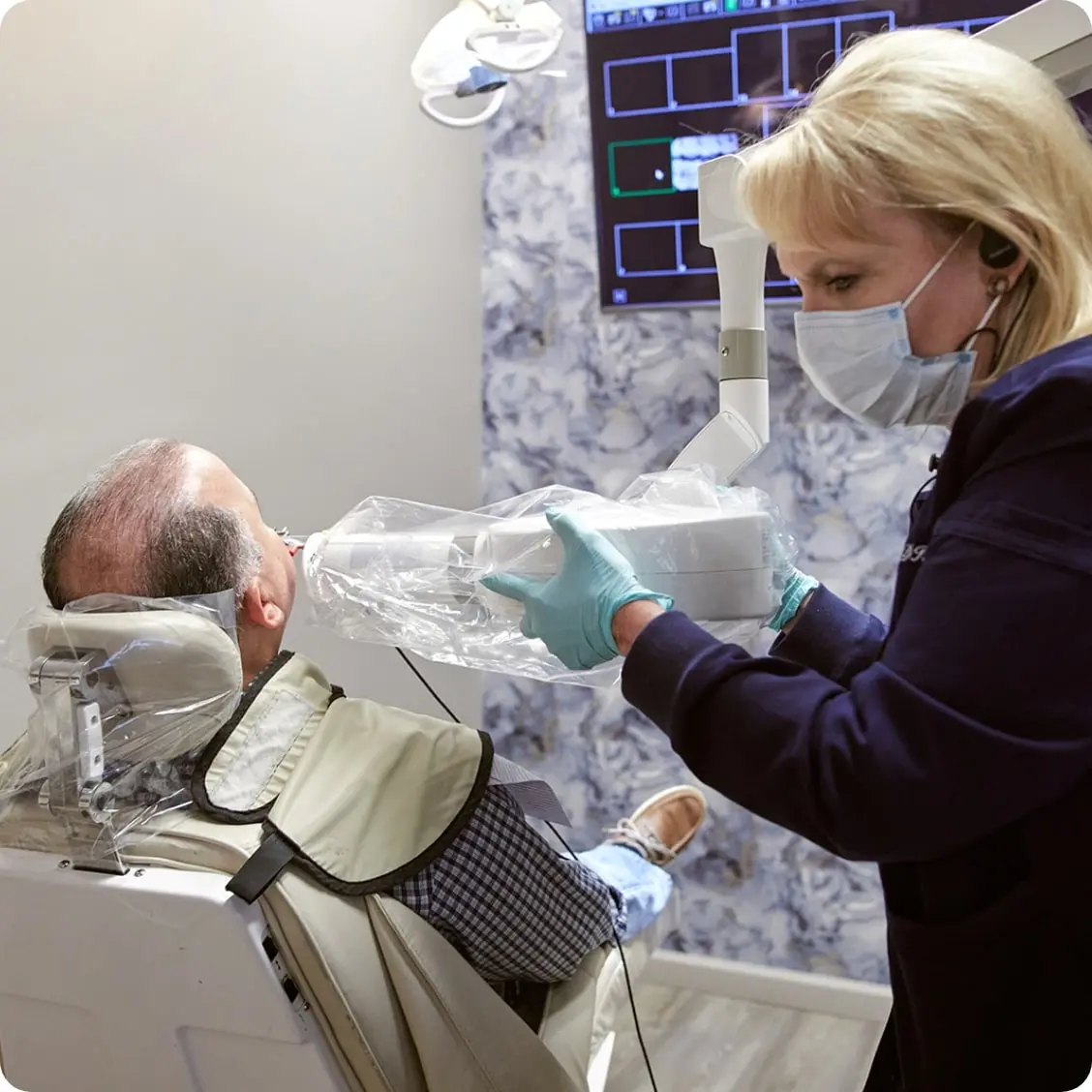
Diagnosis before treatment
Advanced imaging can reveal what the eye cannot see.
A visual exam and dental X-rays help identify many urgent concerns. When additional detail is needed, 3D cone beam imaging can show roots, supporting bone, infection, fractures, and nearby anatomy from multiple perspectives.
Explore our technologyUnderstanding emergency dental costs
A clear estimate follows a clear diagnosis.
No two emergencies require exactly the same care. Fees depend on the examination, imaging, diagnosis, and whether treatment involves a filling, crown, root canal, extraction, periodontal therapy, denture repair, or later tooth replacement.
Treatment choices
When more than one clinically appropriate option exists, we explain the benefits, limitations, timing, and cost of each.
Clear estimates
Our team explains anticipated fees before care begins whenever the situation allows.
Flexible financing
Eligible patients may consider third-party financing such as CareCredit to divide treatment costs over time.
Reduce the risk
Protect your smile before an urgent problem develops.
Keep routine visits
Exams and professional cleanings help identify decay, infection, wear, and gum disease before symptoms become severe.
Maintain daily hygiene
Brush twice daily and clean between teeth to limit plaque in areas a toothbrush cannot reach.
Choose a balanced diet
Limit frequent sugary and starchy foods that feed acid-producing bacteria, and drink water regularly.
Wear appropriate protection
Use an athletic mouthguard for sports and a dentist-prescribed nightguard when grinding or clenching puts teeth at risk.
Never use teeth as tools
Avoid chewing ice, pens, fingernails, or hard non-food items and never use teeth to open packaging.
Dental emergency FAQ
Stay prepared when time matters.
How can I manage a toothache until my visit?
Arrange an evaluation first. A warm salt-water rinse, cold compress outside the face, and an over-the-counter pain reliever taken according to its label may provide temporary relief when medically safe for you. Do not put aspirin directly on oral tissue.
When should I go to the emergency room?
Seek emergency medical care for difficulty breathing or swallowing, a suspected broken or dislocated jaw, uncontrolled bleeding, major facial trauma, loss of consciousness, or another potentially life-threatening condition.
Are sensitive teeth an emergency?
Mild generalized sensitivity may not require an emergency visit. Severe, persistent, spontaneous, or localized sensitivity can indicate decay, infection, a crack, or recession and should be evaluated promptly.
Can sedation be used during an emergency visit?
Sedation may be available for appropriate patients and procedures. Eligibility depends on health history, medications, urgency, treatment needs, and the ability to follow pre- and post-visit instructions.
Can a knocked-out tooth be saved?
Sometimes, but success is not guaranteed and time is important. Handle a permanent tooth by the crown, keep it moist, and contact a dentist immediately. Never reinsert a knocked-out baby tooth.
Should I repair a crown or denture myself?
No. Household glue and improvised materials can damage the restoration, tooth, or oral tissues and may be unsafe. Keep the item and bring it to the appointment.

Do not wait on dental pain
Let clarity replace uncertainty.
Request an emergency evaluation with our Frisco team so we can identify the problem and explain the next step.