
TMJ/TMD therapy · Frisco, Texas
Balance the bite.Ease the strain.Move with comfort.
Thoughtful evaluation and personalized care for jaw pain, clicking, locking, headaches, and other symptoms that may be connected to the temporomandibular joints.

Treatment for jaw pain & more
Small joints can have a wide-reaching impact.
TMJ names the joint. TMD describes the disorder.
The temporomandibular joints sit just in front of the ears and connect the lower jaw to the skull. They work with muscles, ligaments, teeth, and the bite every time you speak, chew, laugh, or yawn.
When these joints or their supporting structures become irritated, strained, injured, or poorly coordinated, symptoms may appear in the jaw and beyond it. Clicking alone does not always require treatment, but pain, limited movement, locking, or persistent changes deserve a careful evaluation.
Why Stonebriar
A more complete view of comfort and function.
Personalized oral appliances
Custom appliances are designed around your bite, comfort, and treatment goals rather than a generic shape.
Digital impression technology
Detailed digital records help the team study tooth relationships and plan an appliance without relying only on traditional impressions.
Whole-person perspective
Jaw joints, muscles, teeth, posture, habits, sleep, and relevant health history are considered together when building your plan.
Recognizing TMD symptoms
Your jaw may be asking for closer attention.
TMD can look different from one person to another. These symptoms can also have non-dental causes, so an examination is important before connecting them to the jaw joints.
Jaw discomfort
Pain or tenderness in the jaw, joint area, temples, face, neck, or shoulders.
Clicking or locking
Popping, grinding, catching, limited opening, or a jaw that temporarily locks.
Difficulty chewing
Fatigue, discomfort, or a sense that the teeth no longer meet in a familiar way.
Head & ear symptoms
Recurring headaches, migraine-like pain, ear fullness, or ringing may overlap with TMD and require appropriate evaluation.
Possible contributors
There is rarely one story behind every sore jaw.
Jaw discomfort can follow trauma or develop gradually as several factors overlap. The goal is to identify what is relevant to you—not to force every symptom into the same diagnosis.
Clenching & grinding
Daytime or nighttime bruxism can overload muscles, joints, and teeth.
Bite & muscle strain
Tooth relationships and muscle coordination may influence how forces travel through the jaw.
Injury or joint change
Facial trauma, inflammation, arthritis, or structural differences can affect movement and comfort.
Stress & body mechanics
Stress-related tension, sleep habits, and posture may contribute to muscle fatigue or amplify symptoms.
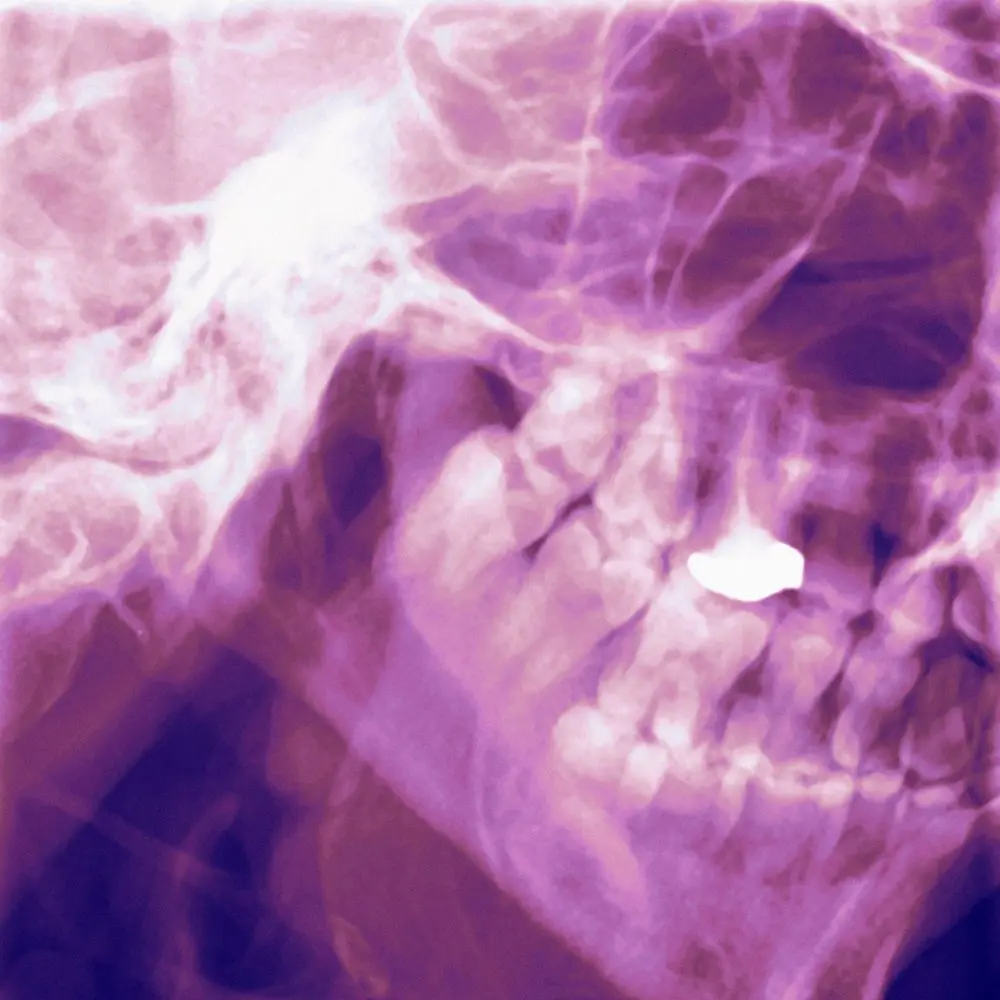
A diagnosis before a device
Look beyond the painful spot to understand the pattern.
A TMJ evaluation begins with your history: when symptoms started, what makes them better or worse, previous injuries, sleep, clenching, headaches, medical conditions, and earlier treatment.
- Joint and muscle examinationAssess tenderness, movement, opening range, sounds, and jaw tracking.
- Bite and tooth reviewLook for wear, fractures, sensitivity, restorations, and patterns of loading.
- Digital recordsUse impressions, photographs, scans, or imaging when they add useful clinical information.
- Coordinated diagnosisRecognize when symptoms warrant medical, physical-therapy, sleep, or specialist evaluation.
Personalized TMJ treatment
Support healing with the least invasive appropriate care.
There is no single appliance or procedure for every TMD case. Recommendations depend on the diagnosis, symptom pattern, oral health, and response to conservative care.
Custom nightguard or splint
An individually designed appliance may protect teeth from grinding, reduce overload, or support a more comfortable jaw position. Fit and response should be monitored.
Bite & restorative planning
When tooth damage, missing support, or bite relationships are clinically relevant, restorative or orthodontic planning may form one part of a broader strategy.
Home-care guidance
Habit awareness, temporary diet changes, relaxation strategies, and movement guidance may help calm irritated structures while treatment progresses.
Regenerative options
Stonebriar may discuss regenerative or stem-cell-related therapy for selected joint concerns. Eligibility, evidence, regulatory status, alternatives, and limitations require an individual conversation.
Explore regenerative dentistryCollaborative care
Persistent or complex symptoms may benefit from coordination with a physician, physical therapist, sleep clinician, pain specialist, or oral and maxillofacial specialist.
Progress reviews
Comfort, movement, bite, tooth wear, and appliance fit are reassessed so the plan can evolve with your response.
While you wait for an evaluation
Give an irritated jaw a quieter workload.
Temporary self-care cannot diagnose or correct the underlying issue, but gentle choices may reduce avoidable strain.
- Choose softer foods and smaller bites for a short period.
- Avoid gum chewing, nail biting, and unnecessarily wide opening.
- Notice daytime clenching and let the teeth rest slightly apart.
- Use heat or cold only as advised and protect the skin.
- Avoid leaning the chin into your hand or sleeping with pressure on the jaw.
Seek urgent care after significant trauma, for a jaw that remains locked or appears dislocated, or when pain occurs with major swelling, fever, trouble breathing, trouble swallowing, weakness, or other neurologic symptoms.
Your care journey
A measured path from questions to more confident movement.
Listen
Map symptoms, daily patterns, previous care, goals, and health history.
Examine
Evaluate joints, muscles, movement, teeth, and bite with appropriate records.
Personalize
Review findings, options, limitations, timing, and costs before care begins.
Refine
Monitor progress and adjust the plan based on function and comfort.
TMJ therapy FAQ
Clarity for a condition that can feel complicated.
What is the difference between TMJ and TMD?
TMJ stands for the temporomandibular joint itself. TMD is the broader term for disorders involving the joint, chewing muscles, and related structures. “TMJ therapy” is commonly used to describe TMD care.
Does a clicking jaw always need treatment?
No. A painless click without limited movement may not require treatment. New, worsening, painful, or locking symptoms should be evaluated.
Can TMD cause headaches or ringing in the ears?
Jaw disorders can overlap with headaches and ear symptoms, but those concerns have many possible causes. A dental evaluation may be one part of the diagnostic process and does not replace appropriate medical or hearing care.
Will a nightguard fix my TMJ disorder?
A custom appliance can be useful for selected patients, especially when clenching or grinding is involved, but it is not a universal cure. Its design, purpose, fit, and effect should be assessed over time.
How long does TMJ treatment take?
Timing varies with the diagnosis, symptom duration, treatment selected, and individual response. The team will explain realistic milestones after evaluating you.

A more comfortable next chapter
Let’s understand what your jaw is trying to tell you.
Meet with the Stonebriar team in Frisco for an attentive TMJ evaluation and a plan shaped around your symptoms, function, and goals.