Custom-made oral appliances
Individually fitted devices are designed for comfort, retention, and a jaw position selected for your treatment goals.
Sleep apnea therapy · Frisco, Texas
Collaborative airway evaluation and personalized dental options for adults affected by snoring or diagnosed obstructive sleep apnea.
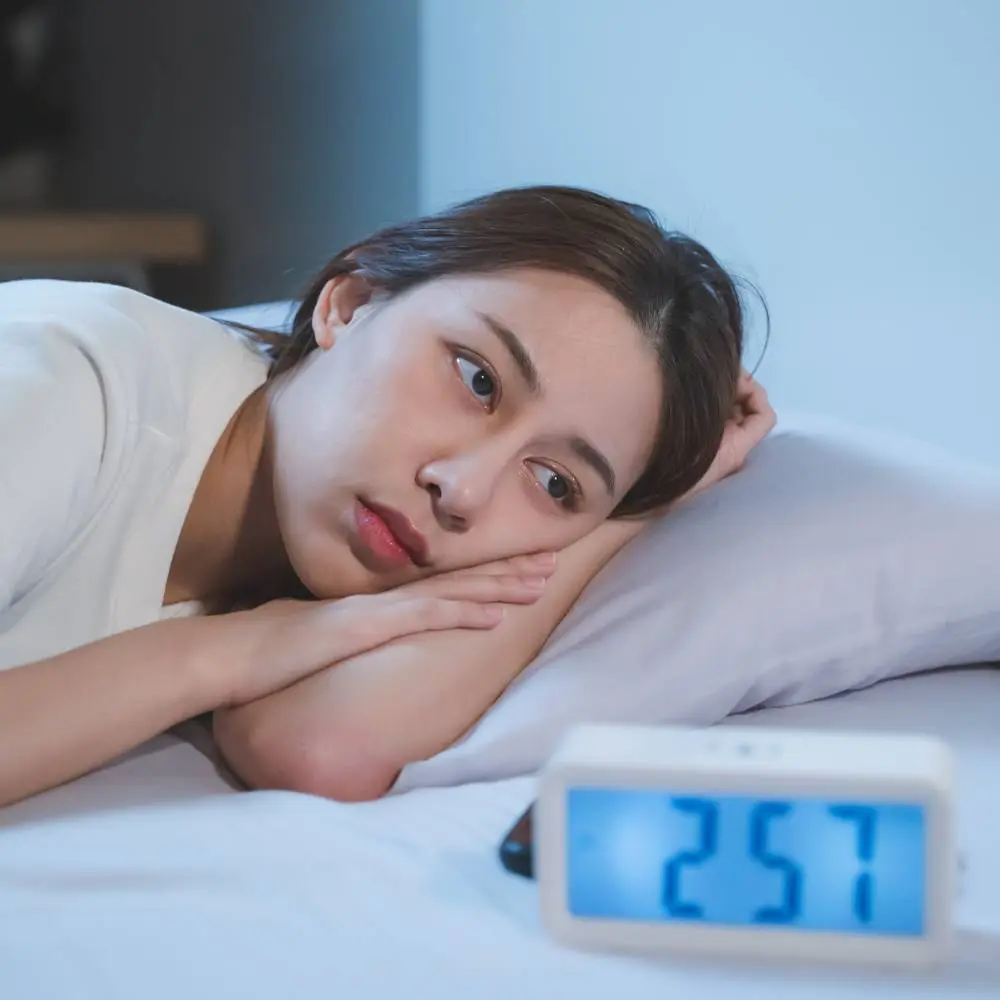
Get a better night’s sleep
Obstructive sleep apnea occurs when the upper airway repeatedly narrows or closes during sleep. Breathing pauses and brief awakenings can fragment restorative sleep, even when you do not remember waking.
Snoring can be a sign of restricted airflow, but it does not confirm sleep apnea—and quiet sleepers can still have the condition. A qualified medical provider and an appropriate sleep study are needed for diagnosis. Stonebriar Smile Design works within that care team to evaluate dental treatment options when appropriate.
Why Stonebriar
Individually fitted devices are designed for comfort, retention, and a jaw position selected for your treatment goals.
Digital records help the team study your teeth, bite, jaw relationships, and available airway space with precision.
Dental therapy is coordinated with the diagnosing sleep physician and followed over time rather than treated as a one-visit solution.
Possible warning signs
One symptom alone cannot diagnose sleep apnea. A pattern of nighttime and daytime concerns is a reason to speak with a healthcare professional.
Why evaluation matters
Untreated obstructive sleep apnea is associated with important health and safety concerns. Treatment decisions belong within a coordinated medical and dental plan.
OSA is associated with high blood pressure, heart rhythm concerns, heart disease, and stroke risk.
Repeated sleep disruption and oxygen changes may overlap with insulin resistance and type 2 diabetes.
Poor-quality sleep can affect memory, concentration, emotional health, and daily performance.
Excessive sleepiness can reduce reaction time. Do not drive when you feel unable to stay alert.
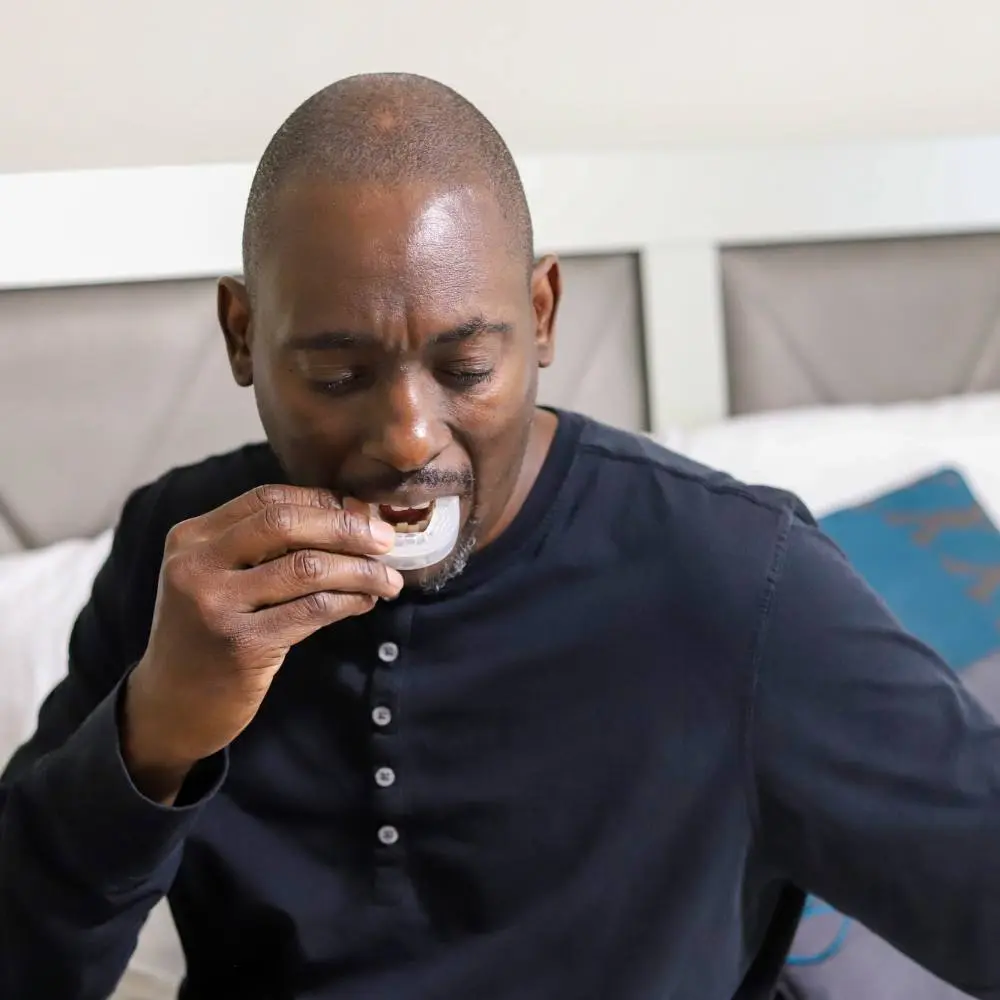
From concern to diagnosis
A dentist can recognize airway risk factors and discuss symptoms, but cannot diagnose obstructive sleep apnea from an oral examination alone. Diagnosis requires medical interpretation of a sleep study.
Personalized sleep apnea therapy
The severity and type of sleep-disordered breathing matter. Treatment should follow a confirmed diagnosis and the recommendations of your sleep physician.
Custom nighttime support
A mandibular advancement appliance gently holds the lower jaw in a forward position to help maintain upper-airway space during sleep. It may be considered for primary snoring and for selected patients with obstructive sleep apnea, including some who cannot tolerate PAP therapy.
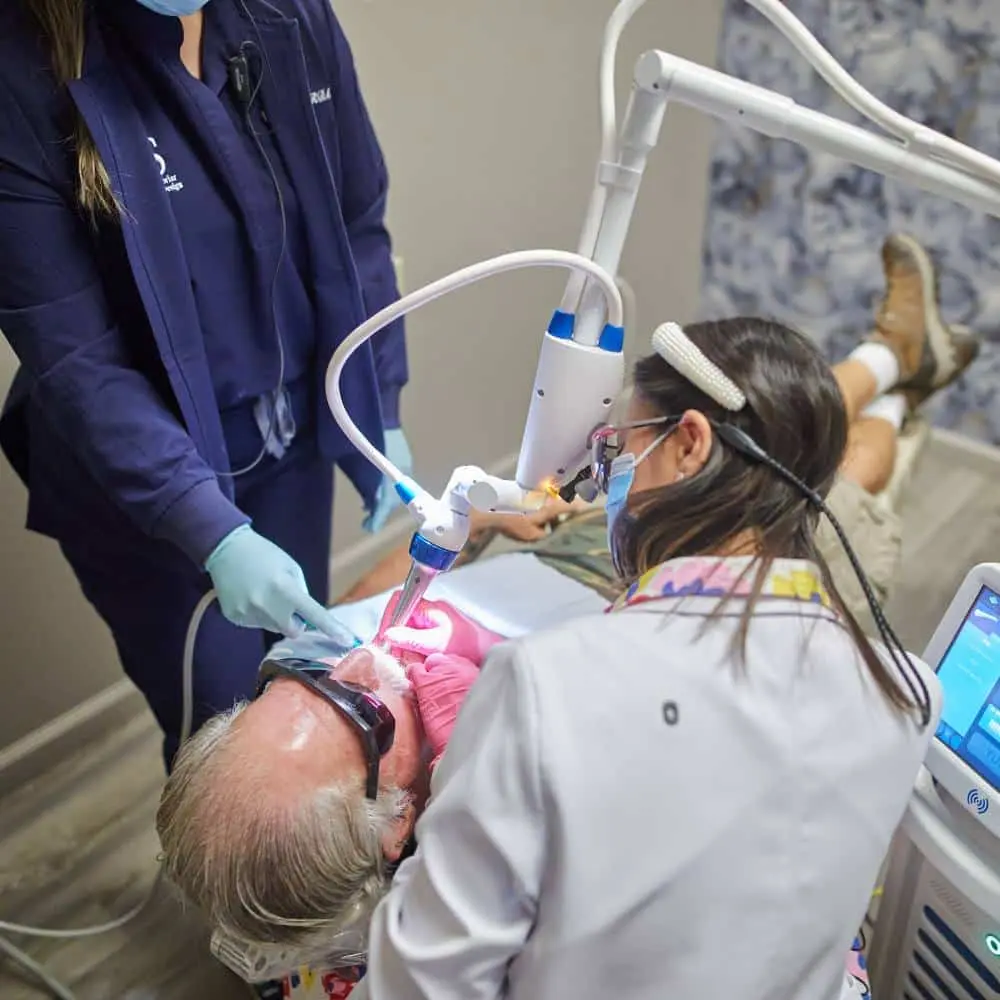
Noninvasive snoring care
Solea Sleep uses laser energy to treat selected soft tissues of the airway with the aim of reducing snoring. SnoreLab recordings may help document patterns before and after care, but an app does not diagnose or rule out sleep apnea.
Laser snoring treatment is not a substitute for a sleep study or prescribed OSA therapy. Candidacy, expected duration of benefit, alternatives, and the need for ongoing monitoring are reviewed individually.
Explore laser snore therapyLiving with an oral appliance
Successful therapy includes more than receiving the device. Your teeth, bite, jaw comfort, adherence, and sleep response need continued attention.
Wear the appliance according to instructions while the jaw adapts to its prescribed position.
Return for adjustments that balance breathing goals with jaw, muscle, and tooth comfort.
Complete physician-directed follow-up testing to determine whether breathing events have improved adequately.
Attend periodic reviews and bring the device so fit, wear, bite, and oral health can be checked.
Daily appliance care
Coordinated care
Positive airway pressure is a highly effective therapy and is commonly first-line treatment, particularly for moderate to severe OSA. Do not stop prescribed PAP without speaking with your sleep clinician.
Your physician may discuss sleep position, weight management, alcohol, smoking, nasal obstruction, medications, or other factors relevant to your health.
ENT, sleep medicine, orthodontic, or surgical evaluation may be appropriate when anatomy, disease severity, or treatment response calls for another approach.
Sleep apnea FAQ
No. Snoring is vibration caused by narrowed airflow, while obstructive sleep apnea includes repeated breathing reductions or pauses. Snoring can occur without OSA, and OSA can occur without obvious snoring.
A qualified medical provider diagnoses sleep apnea using clinical information and an appropriate home or laboratory sleep study. Consumer apps and dental screening tools cannot confirm the diagnosis.
For selected patients, a custom oral appliance may be an effective alternative. Suitability depends on diagnosis, severity, anatomy, preferences, and medical guidance. Never discontinue prescribed PAP without consulting the treating clinician.
Less snoring or more energy can be encouraging, but symptoms alone are not enough. Follow-up sleep testing is generally used to verify the effect on breathing events and oxygen levels.
Jaw or tooth soreness, salivation changes, and gradual bite changes can occur. Correct design, morning exercises when prescribed, adjustments, and regular monitoring help manage risks.
Laser care may be offered to reduce snoring in selected patients, but it should not be assumed to control diagnosed OSA. Medical evaluation and follow-up remain important.
Make room for restorative sleep
Meet with the Stonebriar team in Frisco to discuss your symptoms, existing sleep diagnosis, and whether a dental treatment option belongs in your care plan.