Laser snore therapy · Frisco, Texas
Quiet the vibration.Open the conversation.Rest more peacefully.
A quick, non-surgical Solea laser treatment designed to reduce snoring in appropriately screened adults—without a nighttime device.
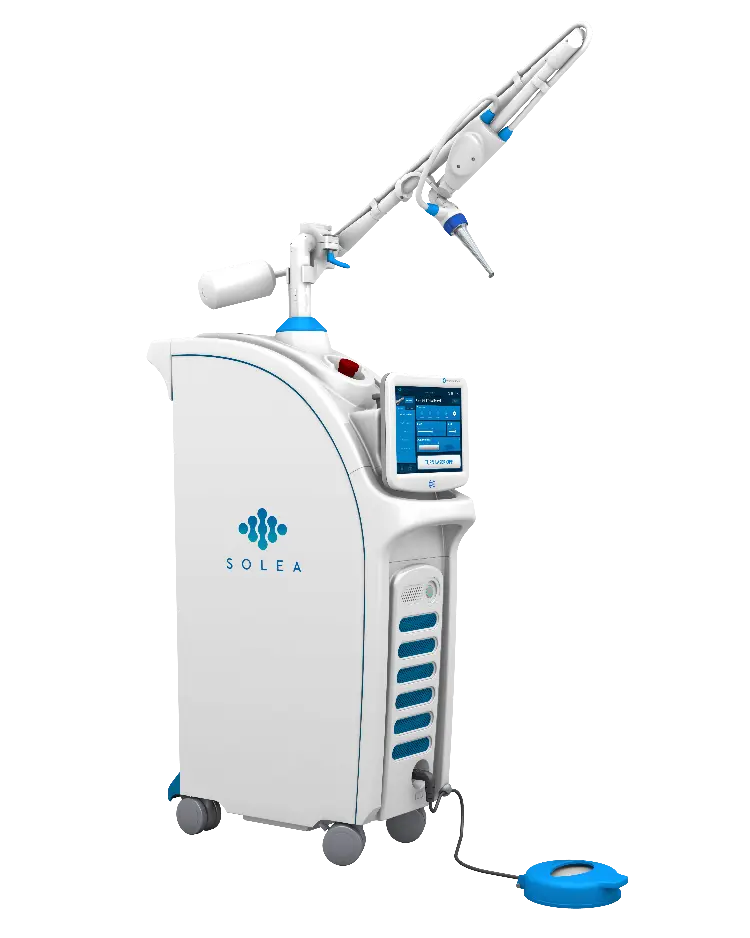
Reduce snoring with Solea
A quieter night begins with the soft palate.
Gentle energy, precisely delivered.
Snoring often occurs when relaxed soft tissues narrow the airway and vibrate as air moves past them. Solea Sleep applies controlled, low-energy laser treatment to selected tissue of the soft palate with the aim of tightening collagen and reducing that vibration.
The treatment is non-surgical and does not involve cutting or sutures. Appointments are typically brief, although examination, preparation, and individual treatment time vary.
Why Stonebriar
Modern care designed around comfort and clarity.
A focused visit
Solea laser delivery itself may take only minutes, helping the appointment fit naturally into a busy day.
Non-surgical treatment
No incisions or sutures are used, and most patients can return to their routine following clinical instructions.
Airway-aware screening
The team looks beyond sound alone and identifies signs that should be evaluated for obstructive sleep apnea.
Snoring is a symptom
Quiet does not always mean healthy breathing.
Laser therapy is intended to reduce snoring; it should not be assumed to diagnose or control obstructive sleep apnea. OSA involves repeated breathing reductions or pauses and requires medical diagnosis through an appropriate sleep study.
Arrange sleep evaluation first if you have
- Witnessed pauses in breathing
- Gasping or choking during sleep
- Significant daytime sleepiness
- Morning headaches or unrefreshing sleep
- High blood pressure or cardiovascular concerns
- An existing sleep apnea diagnosis
Am I a candidate?
Start with anatomy, symptoms, and the right diagnosis.
Solea Sleep may be considered for an adult whose snoring appears to involve vibration of treatable soft-palate tissue. A consultation helps determine whether laser care fits the concern or whether another evaluation should come first.
Potential fit
Primary snoring, appropriate oral tissues, realistic expectations, and willingness to complete recommended follow-up.
May need another path
Untreated or uncontrolled OSA, snoring caused primarily by another anatomical site, pregnancy, active oral concerns, or clinical factors identified during examination.
The Solea Sleep process
Simple steps. Thoughtful follow-through.
Establish a baseline
Discuss symptoms and, when useful, record snoring patterns with SnoreLab before treatment. An app is a tracking aid, not a sleep-apnea test.
Evaluate the airway
The dentist reviews oral anatomy, soft tissues, dental health, medical history, and any sleep-study findings.
Deliver laser care
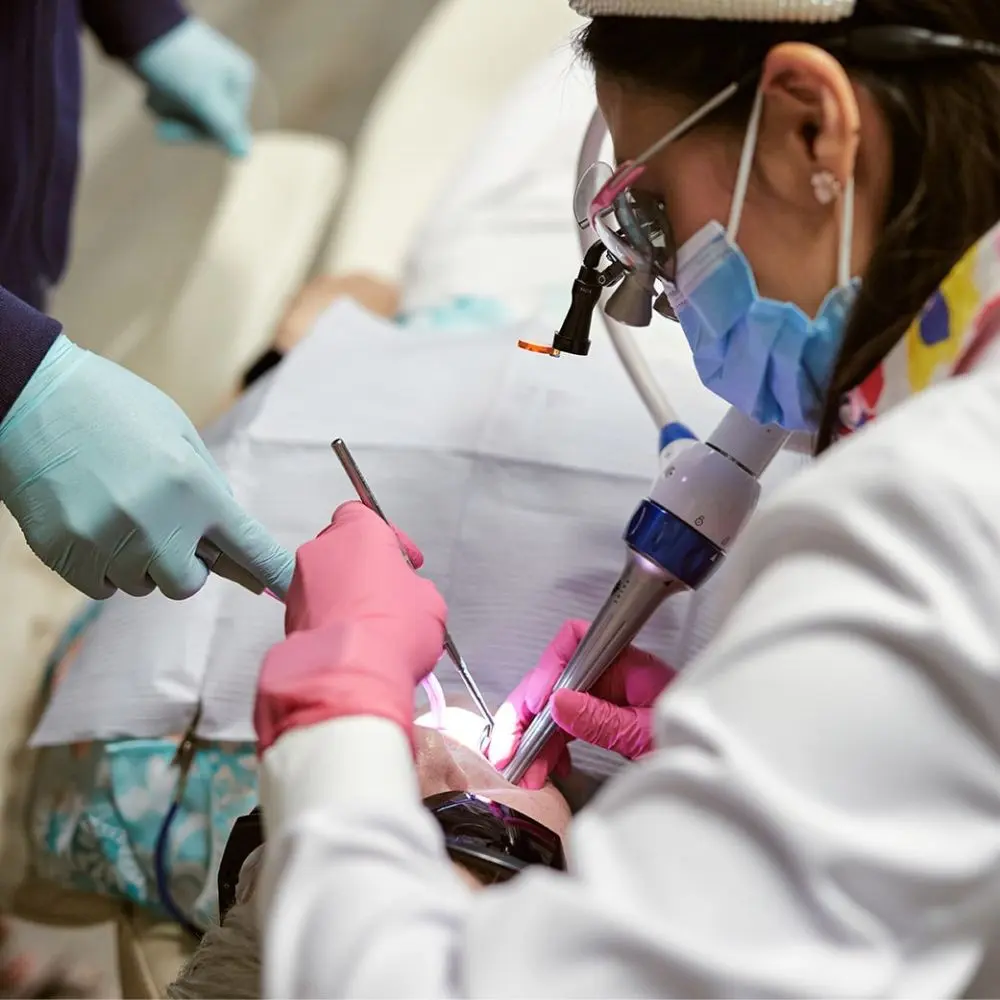
Controlled laser energy is applied to selected areas of the soft palate. Many patients need little or no anesthetic, but comfort needs vary.
Track the response
Monitor snoring, comfort, sleep quality, and partner observations, then return for reassessment and any recommended additional sessions.
What treatment feels like
No incisions. No appliance. No exaggerated promises.
Solea is designed to deliver energy precisely without surgery. Some patients notice change after an early session, while others may need a series of treatments. Response, degree of improvement, and duration are individual.
Your dentist will explain sensations, post-treatment instructions, expected milestones, possible temporary effects, alternatives, and the recommended review schedule before you proceed.
Potential benefits
Less nighttime noise may create more room for rest.
A quieter sleep environment
Reduced soft-palate vibration may lessen disruptive snoring for the patient and people sleeping nearby.
No nightly device
Laser therapy does not require wearing or maintaining an appliance at home.
Minimal interruption
Non-surgical care generally involves limited downtime when compared with an operative approach.
Travel confidence
Reducing snoring may make shared rooms and travel feel less stressful or embarrassing.
Trackable patterns
SnoreLab can help you compare recordings and trends before and after treatment.
Personalized follow-up
Progress reviews help determine whether further treatment, monitoring, or another approach is appropriate.
 SnoreLab
Listen to the pattern
Turn nightly sound into a useful conversation.
SnoreLab is available for compatible mobile devices and can record snoring intensity and timing. Consistent recordings may help establish a baseline and illustrate trends after treatment.
Phone recordings can be affected by room noise, device placement, and another sleeper. They cannot measure breathing events or oxygen levels and should never replace prescribed medical sleep testing.
Visit SnoreLabLaser snore therapy FAQ
Know what the treatment can—and cannot—do.
How does Solea Sleep reduce snoring?
The laser applies controlled energy to selected soft-palate tissue with the aim of tightening collagen and reducing the vibration that produces snoring.
Is the treatment painful?
Solea Sleep is non-surgical, and many patients tolerate it with little or no anesthetic. Sensation and comfort needs vary, so the team explains what to expect and adjusts care appropriately.
How long does an appointment take?
The laser-delivery portion may take only several minutes, while the full visit includes preparation and evaluation. Exact timing depends on your anatomy and treatment plan.
How many sessions will I need?
Some people notice improvement after an initial visit, while others may be advised to complete a series. No specific result or number of sessions can be guaranteed before evaluation.
Does Solea Sleep cure sleep apnea?
No such assumption should be made. The procedure is offered for snoring reduction and does not replace a sleep study, CPAP, an oral appliance, or another therapy prescribed for obstructive sleep apnea.
How long will the result last?
Duration varies with anatomy, tissue response, aging, health factors, and changes over time. Periodic reassessment and additional treatment may be recommended.
Is there downtime?
Most patients can return to routine activities after following the dentist’s instructions. Temporary throat or palate sensations may occur, and individual recovery differs.

A quieter night starts here
Discover whether Solea Sleep fits your kind of snoring.
Meet with the Stonebriar team in Frisco for an airway-aware evaluation and a clear discussion of laser treatment, alternatives, and next steps.