
Sleep apnea therapy · Frisco, Texas
Breathe more freely.Sleep more deeply.Wake up restored.
Collaborative airway evaluation and personalized dental options for adults affected by snoring or diagnosed obstructive sleep apnea.
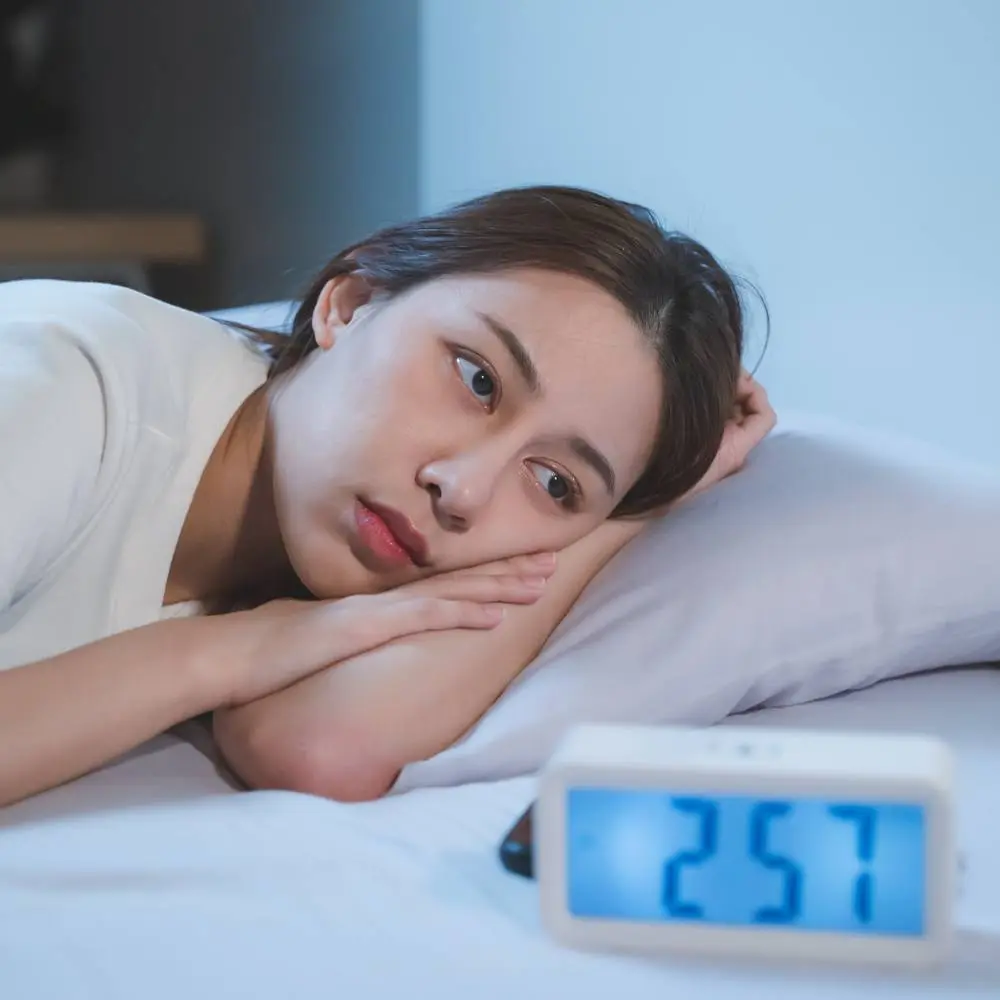
Get a better night’s sleep
Sleep should restore you—not leave you depleted.
Interrupted breathing can interrupt the whole day.
Obstructive sleep apnea occurs when the upper airway repeatedly narrows or closes during sleep. Breathing pauses and brief awakenings can fragment restorative sleep, even when you do not remember waking.
Snoring can be a sign of restricted airflow, but it does not confirm sleep apnea—and quiet sleepers can still have the condition. A qualified medical provider and an appropriate sleep study are needed for diagnosis. Stonebriar Smile Design works within that care team to evaluate dental treatment options when appropriate.
Why Stonebriar
Airway care shaped around your anatomy and diagnosis.
Custom-made oral appliances
Individually fitted devices are designed for comfort, retention, and a jaw position selected for your treatment goals.
Advanced digital technology
Digital records help the team study your teeth, bite, jaw relationships, and available airway space with precision.
Collaborative experience
Dental therapy is coordinated with the diagnosing sleep physician and followed over time rather than treated as a one-visit solution.
Possible warning signs
What happens at night can echo through the entire day.
One symptom alone cannot diagnose sleep apnea. A pattern of nighttime and daytime concerns is a reason to speak with a healthcare professional.
During sleep
- Loud, frequent, or disruptive snoring
- Witnessed pauses in breathing
- Waking while gasping, choking, or snorting
- Restless sleep or repeated awakenings
- Frequent nighttime urination
After waking
- Dry mouth or sore throat
- Morning headaches
- Feeling unrefreshed despite enough time in bed
- Jaw soreness or signs of nighttime grinding
During the day
- Persistent sleepiness or fatigue
- Difficulty concentrating or remembering
- Irritability, mood changes, or reduced motivation
- Reduced alertness while driving or working
Why evaluation matters
Healthy breathing supports whole-body wellness.
Untreated obstructive sleep apnea is associated with important health and safety concerns. Treatment decisions belong within a coordinated medical and dental plan.
Cardiovascular health
OSA is associated with high blood pressure, heart rhythm concerns, heart disease, and stroke risk.
Metabolic health
Repeated sleep disruption and oxygen changes may overlap with insulin resistance and type 2 diabetes.
Mood & cognition
Poor-quality sleep can affect memory, concentration, emotional health, and daily performance.
Everyday safety
Excessive sleepiness can reduce reaction time. Do not drive when you feel unable to stay alert.
From concern to diagnosis
The right treatment begins with the right sleep data.
A dentist can recognize airway risk factors and discuss symptoms, but cannot diagnose obstructive sleep apnea from an oral examination alone. Diagnosis requires medical interpretation of a sleep study.
- Conversation & screeningReview snoring, daytime symptoms, sleep habits, health history, medications, and previous therapy.
- Airway and dental examinationAssess teeth, gums, jaw movement, bite, tongue, soft tissues, and appliance suitability.
- Sleep study & diagnosisCoordinate with an appropriate medical provider for testing and interpretation when needed.
- Shared treatment planCompare PAP therapy, oral appliance therapy, behavioral measures, and other physician-directed options.
Personalized sleep apnea therapy
More than one path toward steadier nighttime breathing.
The severity and type of sleep-disordered breathing matter. Treatment should follow a confirmed diagnosis and the recommendations of your sleep physician.
Custom nighttime support
Oral Appliance Therapy
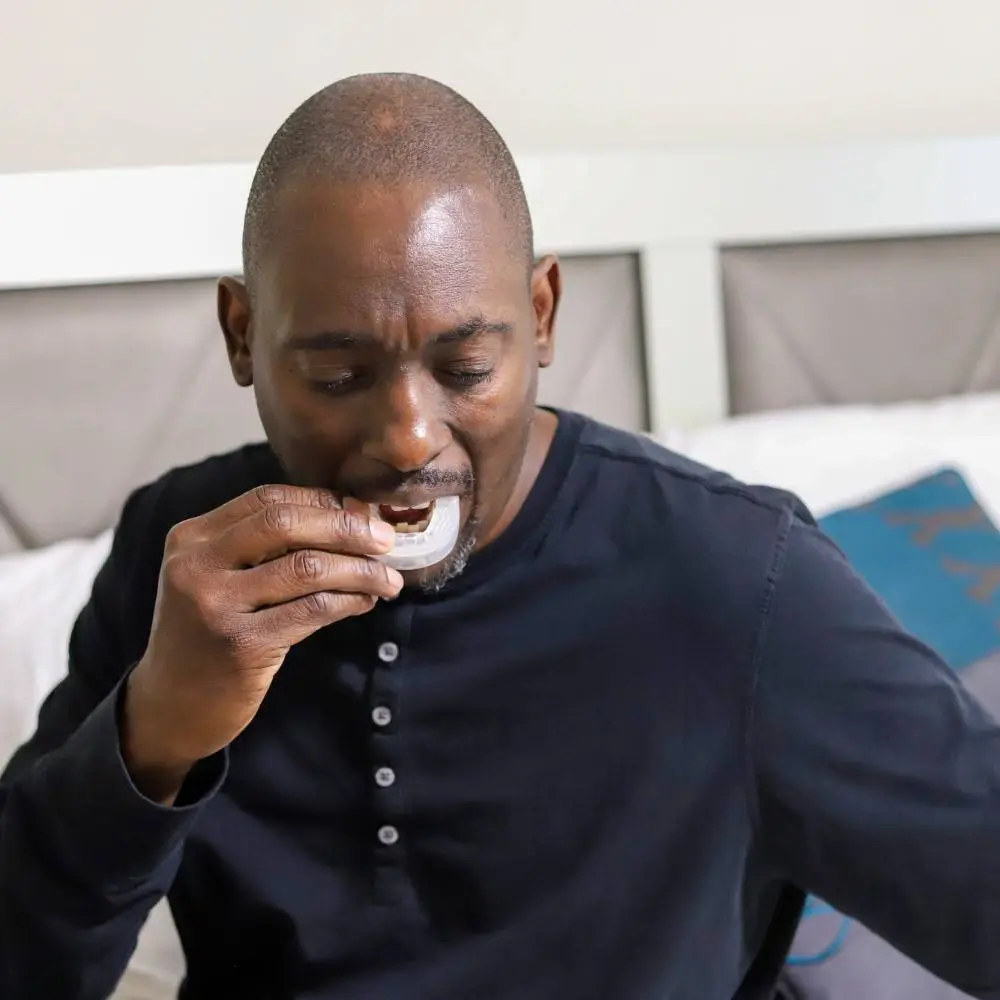
A mandibular advancement appliance gently holds the lower jaw in a forward position to help maintain upper-airway space during sleep. It may be considered for primary snoring and for selected patients with obstructive sleep apnea, including some who cannot tolerate PAP therapy.
- Digitally planned and custom fitted
- Compact and convenient for travel
- Adjusted gradually for comfort and effectiveness
- Follow-up sleep testing recommended to verify response
Noninvasive snoring care
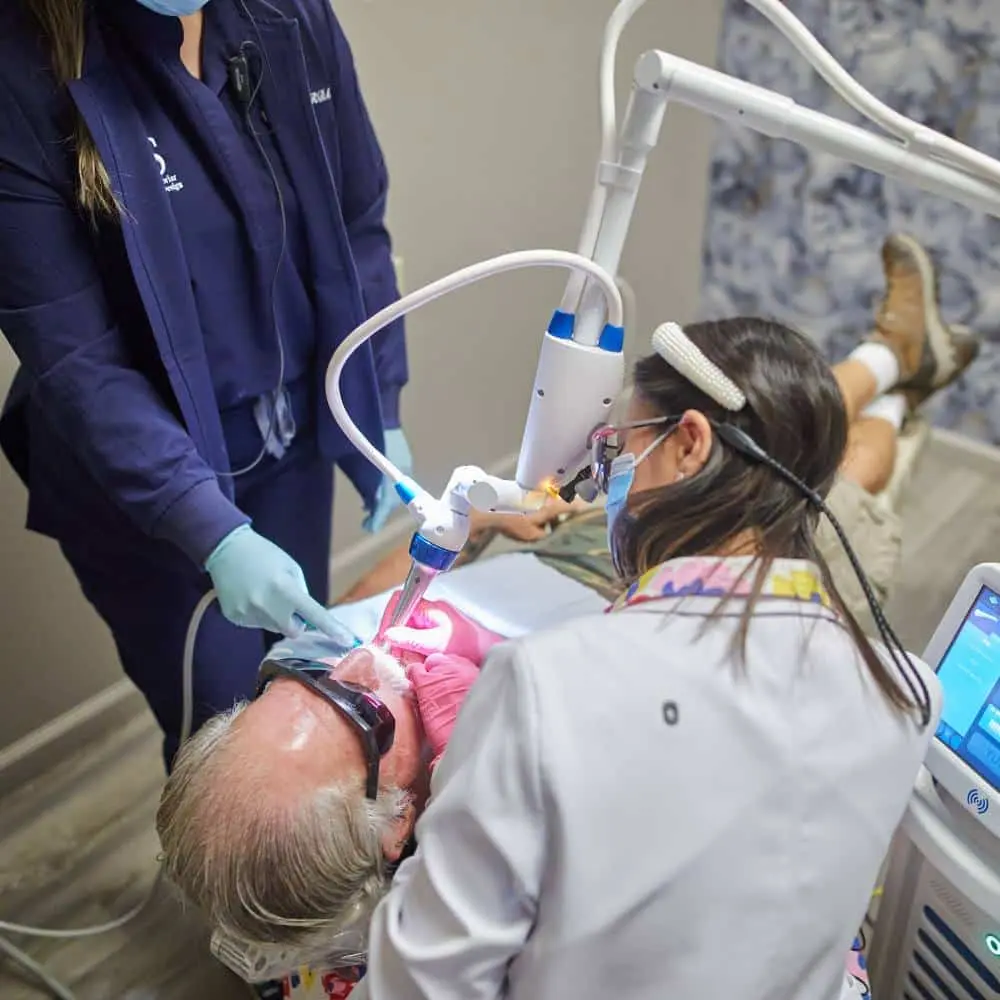
Solea Sleep & SnoreLab
Solea Sleep uses laser energy to treat selected soft tissues of the airway with the aim of reducing snoring. SnoreLab recordings may help document patterns before and after care, but an app does not diagnose or rule out sleep apnea.
Laser snoring treatment is not a substitute for a sleep study or prescribed OSA therapy. Candidacy, expected duration of benefit, alternatives, and the need for ongoing monitoring are reviewed individually.
Explore laser snore therapyLiving with an oral appliance
Designed to be wearable. Monitored to remain effective.
Successful therapy includes more than receiving the device. Your teeth, bite, jaw comfort, adherence, and sleep response need continued attention.
Fit & acclimate
Wear the appliance according to instructions while the jaw adapts to its prescribed position.
Fine-tune
Return for adjustments that balance breathing goals with jaw, muscle, and tooth comfort.
Verify
Complete physician-directed follow-up testing to determine whether breathing events have improved adequately.
Maintain
Attend periodic reviews and bring the device so fit, wear, bite, and oral health can be checked.
Daily appliance care
Protect the device that supports your nightly routine.
- Brush and floss before placing the appliance each night.
- Clean it each morning with a soft brush and the product recommended by your dentist.
- Use cool or lukewarm water; heat can distort some materials.
- Let it air-dry fully before placing it in a ventilated case.
- Keep it away from pets and inspect it for cracks, looseness, or rough edges.
- Do not alter the device yourself; contact the office if the fit changes.
Coordinated care
Dental therapy works best as part of a complete sleep plan.
PAP therapy
Positive airway pressure is a highly effective therapy and is commonly first-line treatment, particularly for moderate to severe OSA. Do not stop prescribed PAP without speaking with your sleep clinician.
Health & lifestyle support
Your physician may discuss sleep position, weight management, alcohol, smoking, nasal obstruction, medications, or other factors relevant to your health.
Medical or surgical care
ENT, sleep medicine, orthodontic, or surgical evaluation may be appropriate when anatomy, disease severity, or treatment response calls for another approach.
Sleep apnea FAQ
Clear answers for healthier nights.
Is snoring the same as sleep apnea?
No. Snoring is vibration caused by narrowed airflow, while obstructive sleep apnea includes repeated breathing reductions or pauses. Snoring can occur without OSA, and OSA can occur without obvious snoring.
How is sleep apnea diagnosed?
A qualified medical provider diagnoses sleep apnea using clinical information and an appropriate home or laboratory sleep study. Consumer apps and dental screening tools cannot confirm the diagnosis.
Can a dental appliance replace CPAP?
For selected patients, a custom oral appliance may be an effective alternative. Suitability depends on diagnosis, severity, anatomy, preferences, and medical guidance. Never discontinue prescribed PAP without consulting the treating clinician.
How do I know whether my appliance is working?
Less snoring or more energy can be encouraging, but symptoms alone are not enough. Follow-up sleep testing is generally used to verify the effect on breathing events and oxygen levels.
Can an oral appliance change my bite?
Jaw or tooth soreness, salivation changes, and gradual bite changes can occur. Correct design, morning exercises when prescribed, adjustments, and regular monitoring help manage risks.
Does laser snore therapy treat sleep apnea?
Laser care may be offered to reduce snoring in selected patients, but it should not be assumed to control diagnosed OSA. Medical evaluation and follow-up remain important.

Make room for restorative sleep
Begin with a clearer picture of how you breathe at night.
Meet with the Stonebriar team in Frisco to discuss your symptoms, existing sleep diagnosis, and whether a dental treatment option belongs in your care plan.