
Preventive dentistry · Frisco, Texas
Oral cancerscreenings.Earlier insight matters.
A quick, careful screening during routine dental care can help identify unusual tissue changes early—often before they become easy to notice on your own.

Early detection in Frisco
A simple screening can provide important perspective.
Your routine dental visit protects more than your teeth and gums.
Oral cancer can affect areas including the lips, gums, cheeks, tongue, and throat. Because early changes may be subtle, Stonebriar Smile Design incorporates screening into preventive care to look for tissue that may need closer evaluation.
If the team identifies something concerning, they can discuss the finding with you and coordinate guidance from a trusted dental oncology expert when appropriate.
Why choose Stonebriar
Careful observation supported by modern clinical insight.
Modern screening technology
Light-assisted visualization helps the team examine tissue changes that may be difficult to see under ordinary lighting.
Experienced clinicians
Screenings are performed by professionals trained to recognize abnormalities throughout the mouth and surrounding areas.
Specialist collaboration
When a finding needs further evaluation, the practice can connect patients with an experienced dental oncology resource.
Understanding your risk
Knowledge creates a more proactive path forward.
Anyone can develop oral cancer, but understanding common risk factors and attending regular screenings can help you stay attentive to changes.
What it is
Understanding Oral Cancer
Oral cancer is included among cancers of the head and neck and is often found in the tongue, cheeks, lips, or throat. Tobacco use and human papillomavirus can increase risk, but the disease is not limited to people with known risk factors.

Factors to discuss
Common Risk Factors
Smoking or other tobacco use, frequent alcohol consumption, HPV, prolonged ultraviolet exposure, genetics, and age may influence risk. Sharing your health history helps the team place screening findings in the right context.
Explore preventive checkupsWhat happens during a screening
Quick, comfortable, and carefully considered.
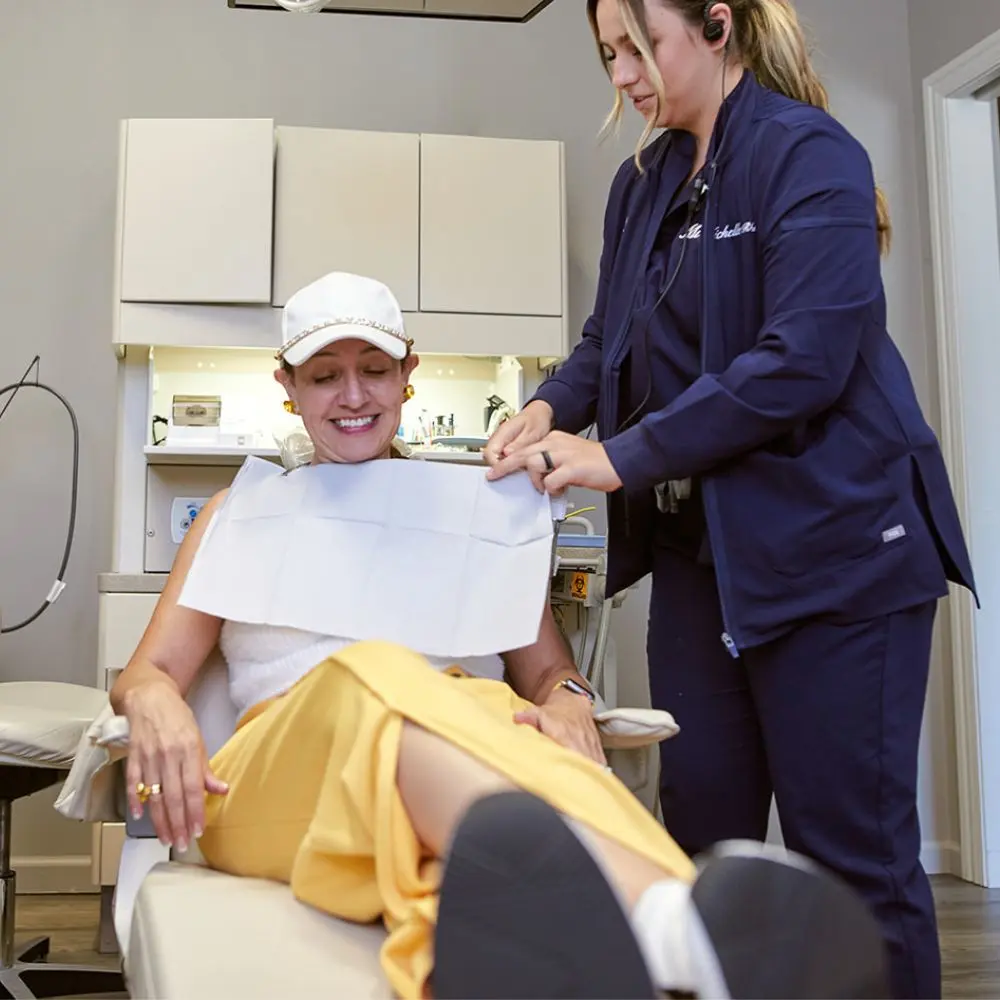
Your dentist reviews relevant oral and overall health information, visually examines your mouth and surrounding structures, and uses OralID light-assisted technology to help reveal tissue irregularities. The screening can usually be completed during a routine checkup.
The team looks for changes such as:
- Sores or lesions that do not appear to heal
- Red, white, or otherwise discolored soft tissue
- Lumps, bumps, or rough patches in or near the mouth
- Asymmetry involving the mouth or face
- Unexplained changes in the tone of your voice

How often to be screened
Make screening part of your annual care.
Stonebriar Smile Design recommends an oral cancer screening at least once a year, commonly during a routine cleaning and checkup. If you notice a new or persistent change between visits, contact the practice rather than waiting for your next scheduled appointment.

Stay ahead of subtle changes
Make time for an annual screening.
If it has been more than a year since your last oral cancer screening—or something does not feel right—our Frisco team is here to help.