
Invisalign: Everything You Need to Know (Part 1)
Clear aligners have become a popular option for adults who want to improve their smile without traditional metal brackets and wires. Stonebriar Smile Design has guided Invisalign patients for many years, combining digital planning with careful attention to appearance, bite, and long-term function.
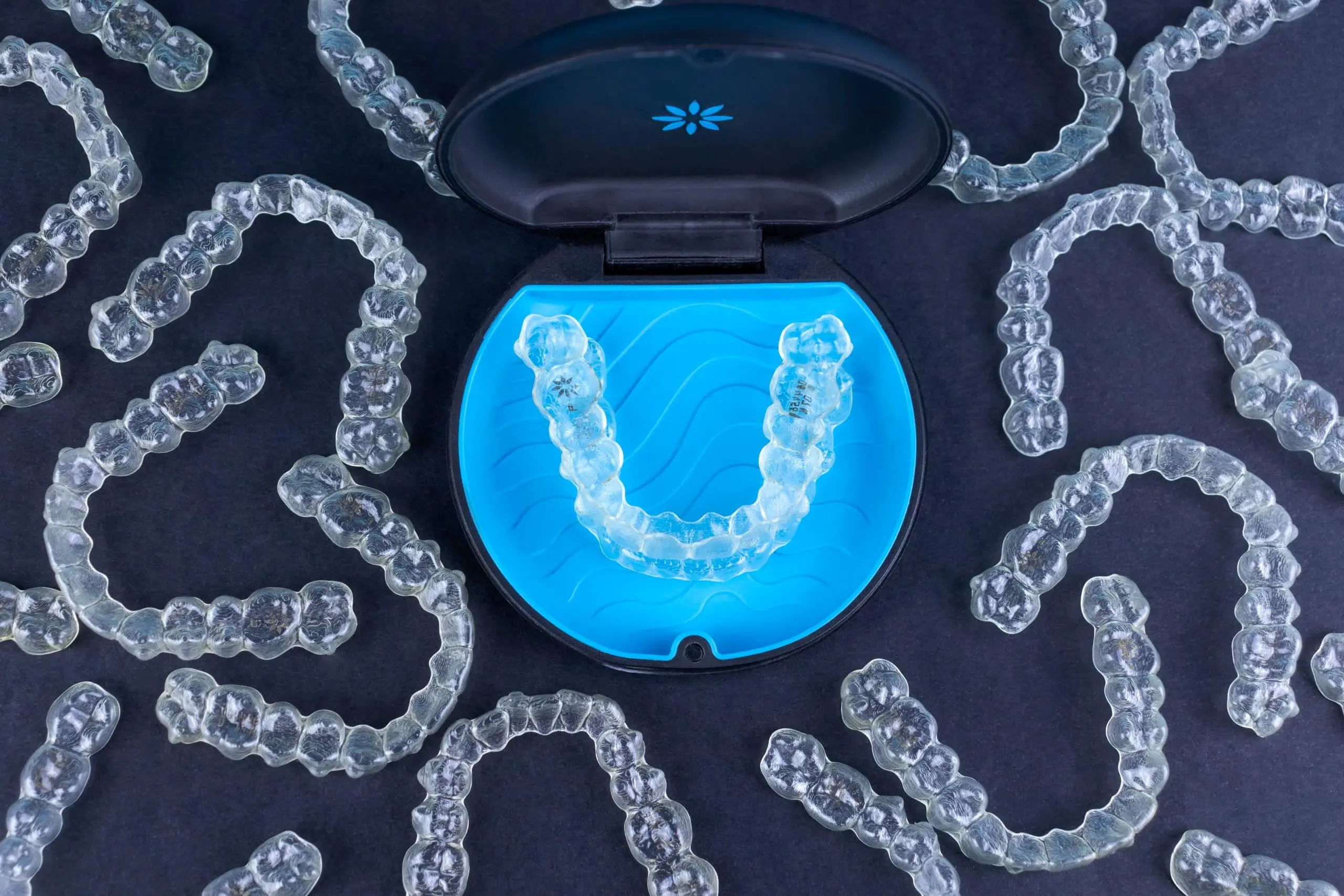
Dr. Jill Wade answers seven questions patients commonly ask when considering Invisalign. This first article explores visibility, speech, comfort, function, and what happens before treatment begins.
1. Can you tell when someone is wearing Invisalign aligners?
The short answer: usually not. Invisalign trays are made from clear material and designed to fit closely around the teeth. At ordinary conversational distance, they are generally much less noticeable than brackets and wires.
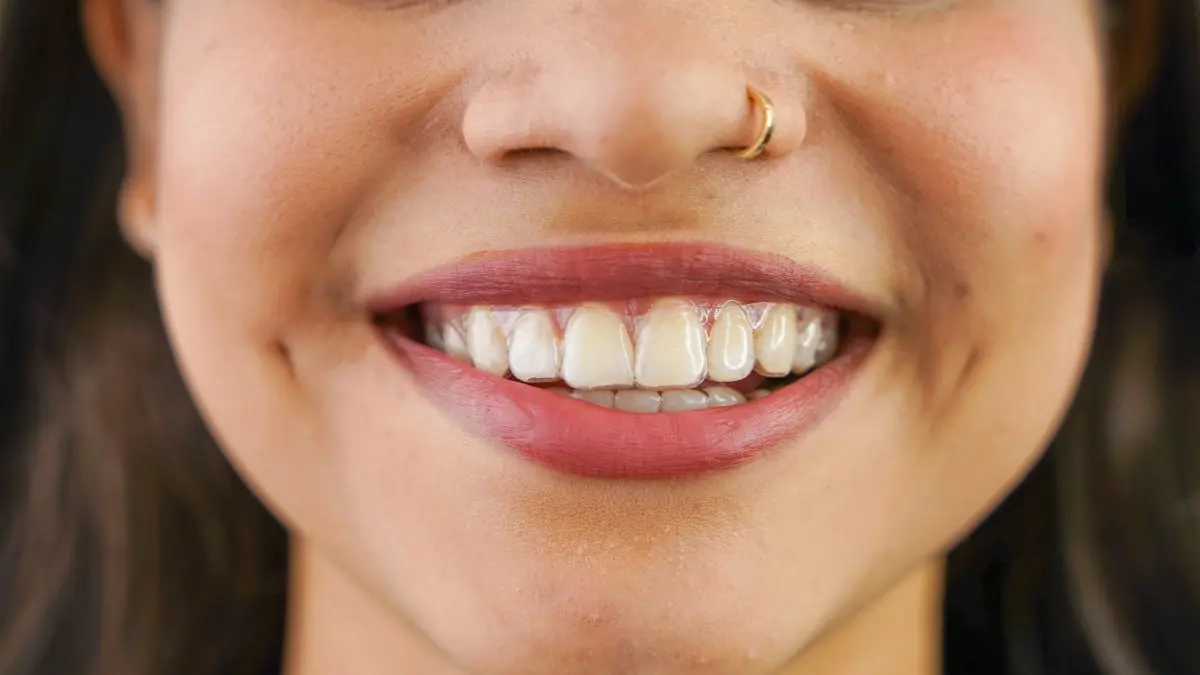
This subtle appearance is one reason many working adults choose clear aligners. Patients can wear them during meetings, video calls, teaching, and social activities without making orthodontic treatment the focus of their smile.
Aligners are not the same as athletic mouthguards. A sports mouthguard is built to help absorb impact and should be used as directed for athletic activity. Your dentist can explain how to manage Invisalign trays around sports and other activities.
2. Will aligners affect the way I speak?
The short answer: they may at first. Any new appliance changes the space available to the tongue. During the first several days, patients may notice extra saliva, a slight lisp, or that certain sounds require more attention.
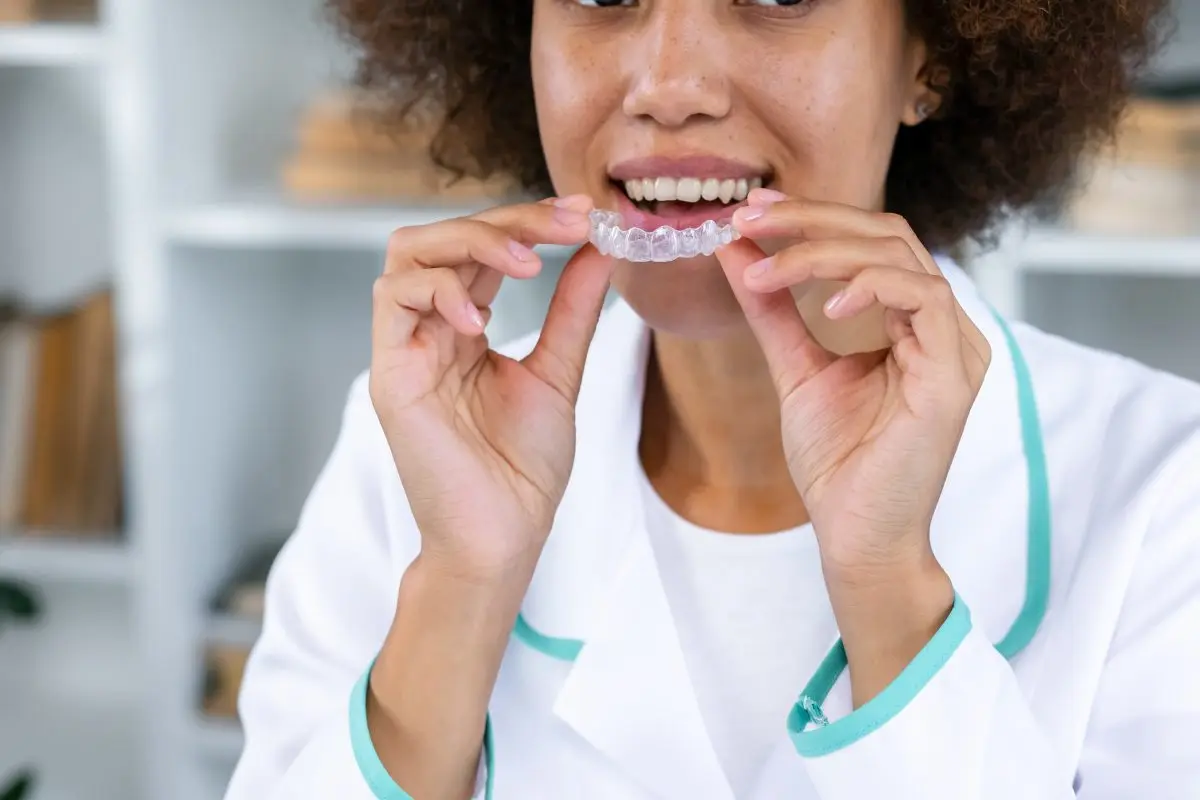
For most people, this adjustment is temporary. Speaking aloud, reading, and maintaining the recommended wear schedule can help the mouth adapt naturally. If speech changes remain significant or an aligner feels sharp or poorly seated, contact the dental team rather than altering the tray yourself.
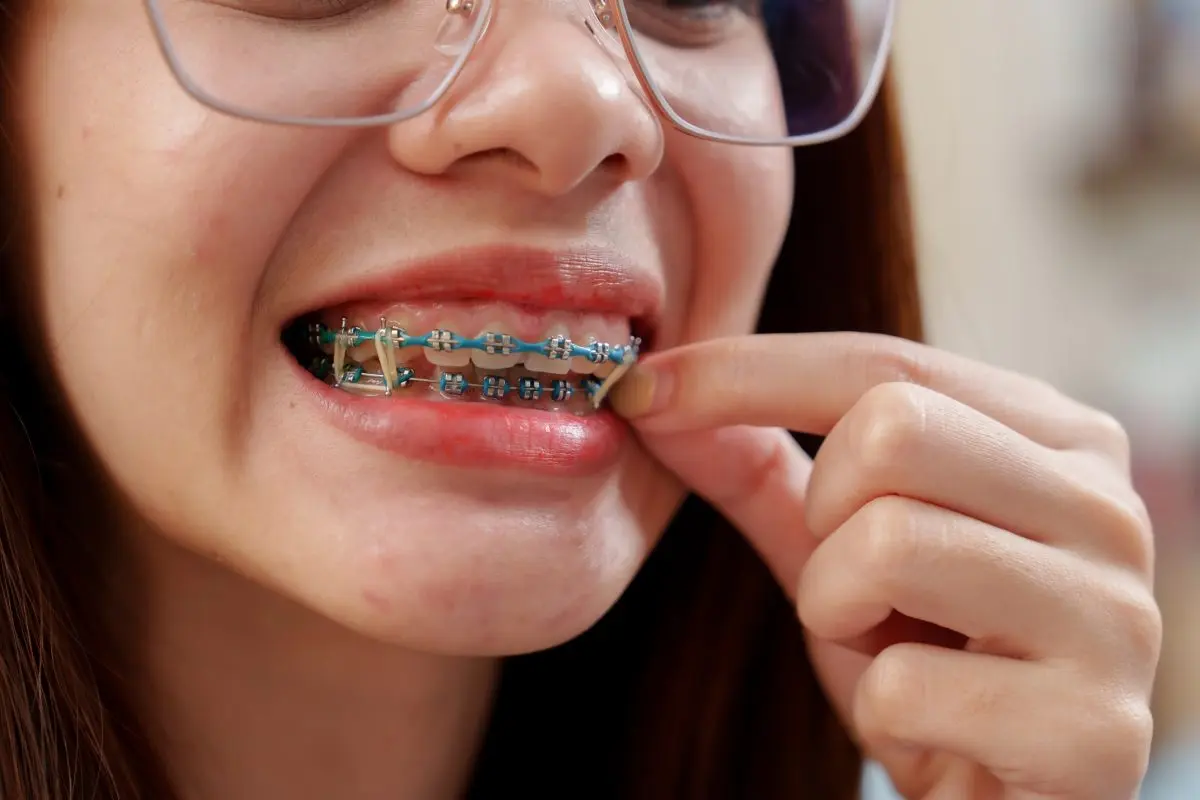
Clear trays also avoid the brackets, wires, and elastic components associated with conventional braces. That can mean less irritation to the cheeks, although mild pressure or tenderness is still expected as teeth begin to move.
Straightening teeth is about more than appearance
Orthodontic treatment can create a more balanced smile, but position also affects how teeth meet and function. Crowded, rotated, or constricted teeth may be harder to clean and can create uneven contacts during biting and chewing.
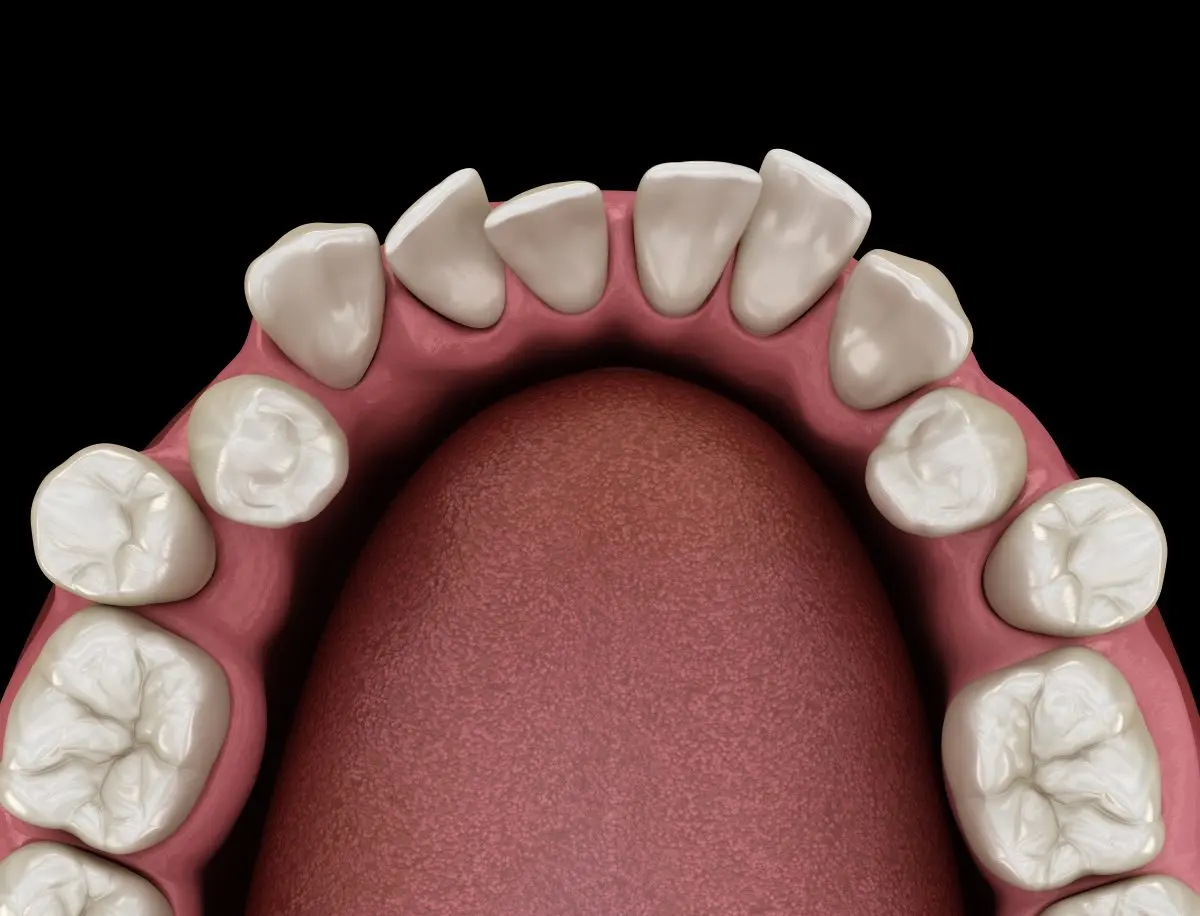
Dr. Wade evaluates the relationship between the teeth, bite, tongue space, facial balance, and patient goals. Breathing or sleep concerns may also deserve evaluation, but orthodontics alone does not diagnose or treat an airway disorder. When appropriate, coordinated assessment can help identify the right next step.
A thoughtfully aligned smile should support natural appearance, comfortable function, and easier long-term care.
3. What does the Invisalign process involve?
The short answer: every sequence is personalized. Treatment begins with a comprehensive consultation. The dental team evaluates the teeth, gums, supporting bone, bite, health history, and the changes the patient hopes to achieve.
Photographs, digital scans, and appropriate X-rays provide the information needed to plan safely. An iTero digital scanner can create a detailed three-dimensional model without relying on conventional impression material and can help patients visualize proposed tooth movement.
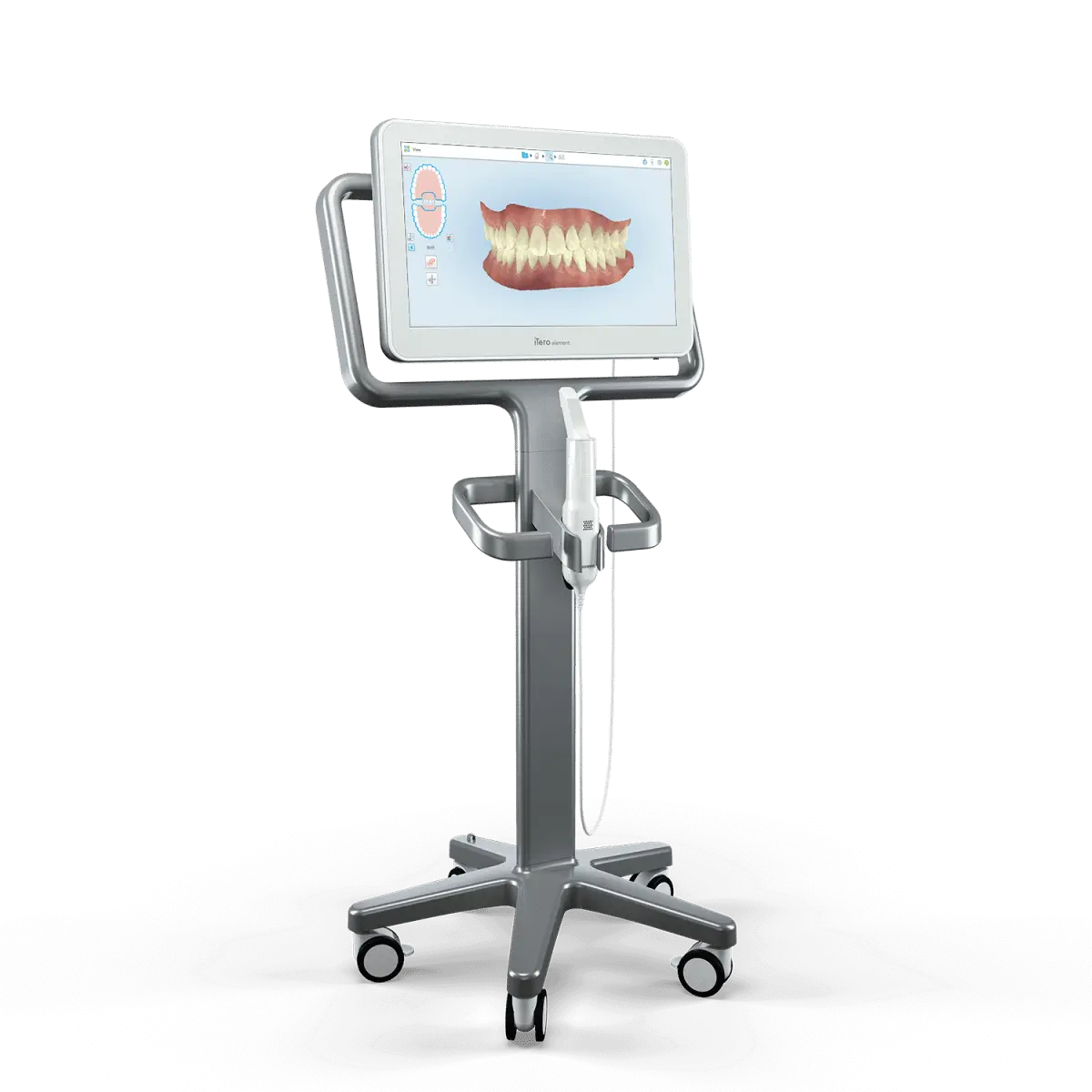
Dr. Wade then reviews the digital treatment setup and refines the planned movements before the aligners are manufactured. At the delivery visit, the team checks the fit, provides the first sets of trays, and explains wear time, cleaning, eating, oral hygiene, and follow-up appointments.
The number and timing of visits depend on the complexity of the case and how treatment progresses. Consistent aligner wear and scheduled monitoring help keep movement aligned with the approved plan.
Continue with Part Two
Part two of this series answers four more practical questions: how Invisalign feels, how many trays may be needed, how treatment time and cost are determined, and why retainers remain important after treatment.
To learn more about treatment at Stonebriar Smile Design, explore our Invisalign service page or schedule a personalized consultation.