
Invisalign: Everything You Need to Know (Part 2)
Clear aligners are a popular alternative to traditional braces, especially for adults who want to improve alignment without metal brackets and wires. Because every smile and treatment plan is different, patients often have practical questions about comfort, timing, cost, and long-term maintenance.
In part one of this series, we explored three common questions:
- Can you tell when someone is wearing Invisalign aligners?
- Will clear aligners affect the way you speak?
- What does treatment involve, and how often are appointments needed?
Dr. Jill Wade has decades of experience guiding smile transformations, including treatment with Invisalign. In part two, she addresses the remaining four questions patients frequently ask before deciding whether clear aligners fit their needs.
4. Does Invisalign hurt as much as regular braces?
The short answer is no: most patients find Invisalign more comfortable than traditional braces.
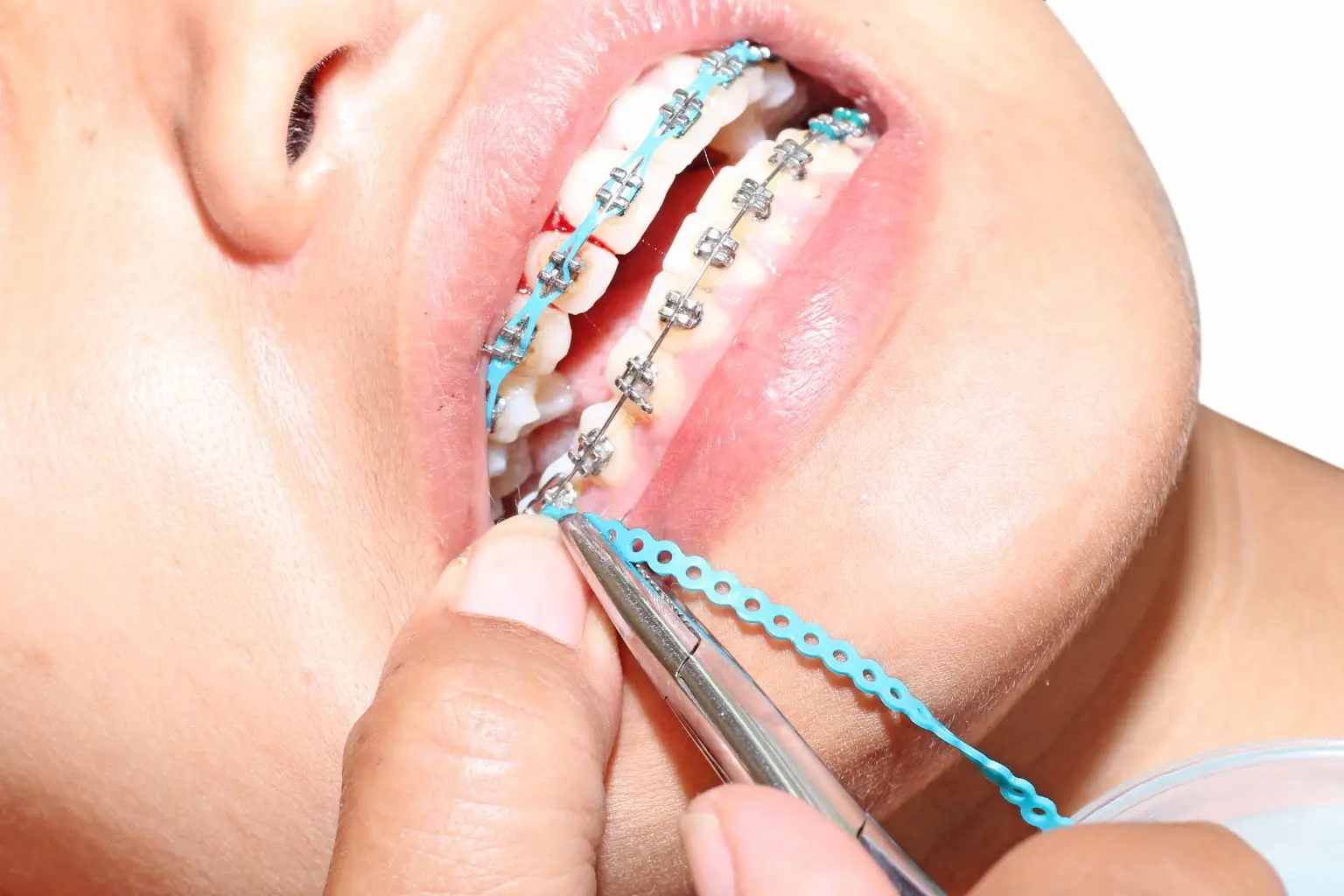
Traditional orthodontics may require spacers around the back teeth and periodic tightening of brackets and wires. Those adjustments can create a cycle of stronger soreness followed by a period of relief.
Invisalign works differently. Each smooth, custom-made aligner applies gentle, consistent pressure so the teeth move incrementally. Patients may notice pressure or muscle-like tenderness when beginning a new tray, but the sensation is generally more manageable than the discomfort associated with braces adjustments.
Changing to a new set of aligners before bed can make the first several hours of adjustment easier to manage.
For many patients, the experience becomes easier than expected once they settle into a routine. Individual sensitivity varies, so any significant or persistent pain should always be discussed with the dental team.
5. How many trays will I need?
The short answer is that it depends on the movement your smile requires. A relatively simple correction might involve approximately 7–14 trays, while more involved cases can require 20–40 or more.
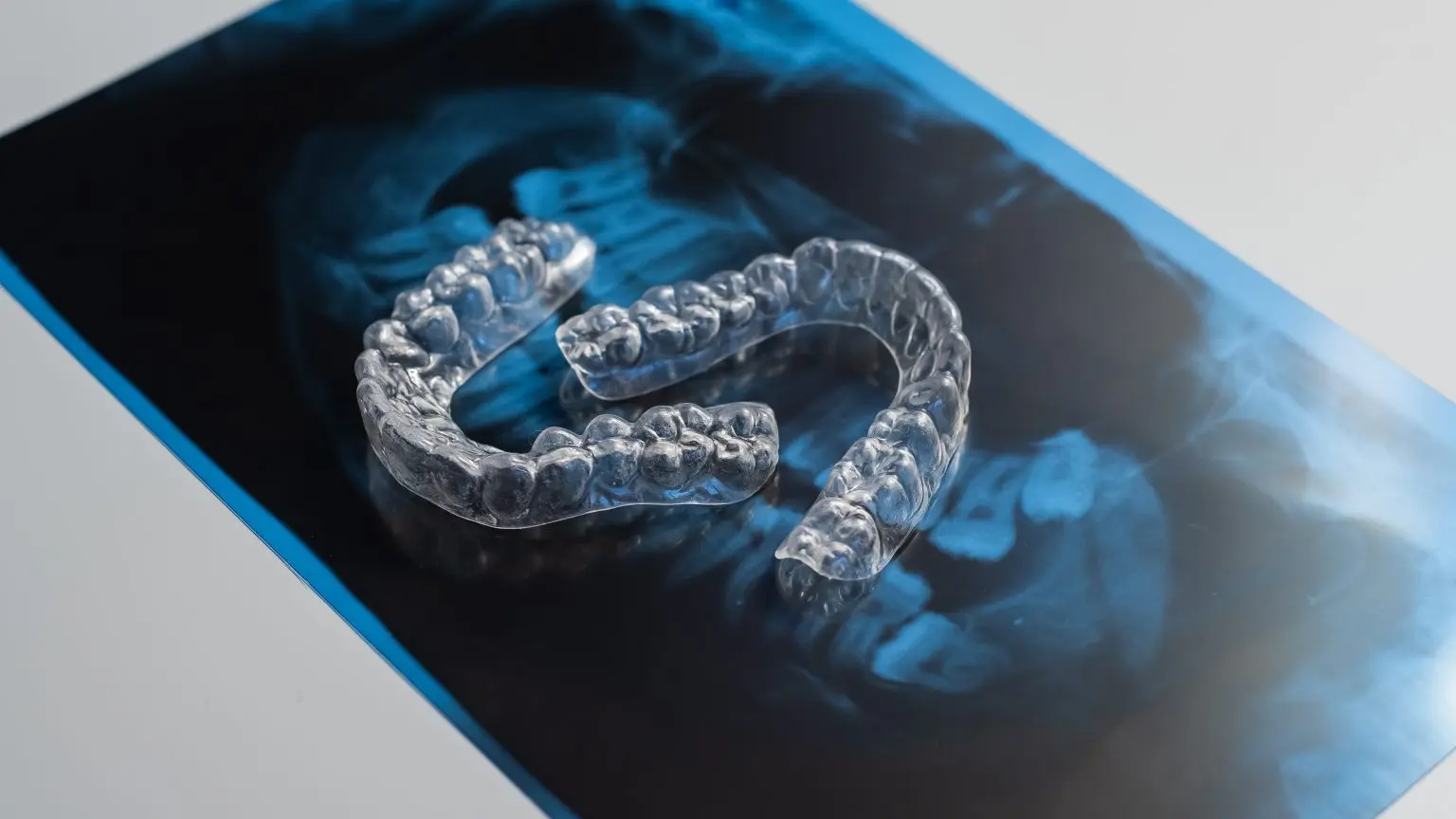
Each upper and lower tray is made specifically for the patient and represents one stage in the treatment sequence. The number needed may be influenced by crowding, constriction, rotated teeth, bite concerns, or movement that occurred after earlier orthodontic treatment.
Digital planning allows Dr. Wade to calculate the intended movements and estimate the number of trays before treatment begins. The objective is not simply a straighter appearance. Thoughtful positioning can also support bite function, create better space for the tongue, and contribute to a broader, more balanced smile.
6. How long does Invisalign take, and what does it cost?
The short answer: treatment time is closely connected to the number of trays and how consistently they are worn. The original discussion estimates that Invisalign treatment commonly ranges from about $4,000 to $6,500, although every current treatment plan requires an individual assessment and estimate.
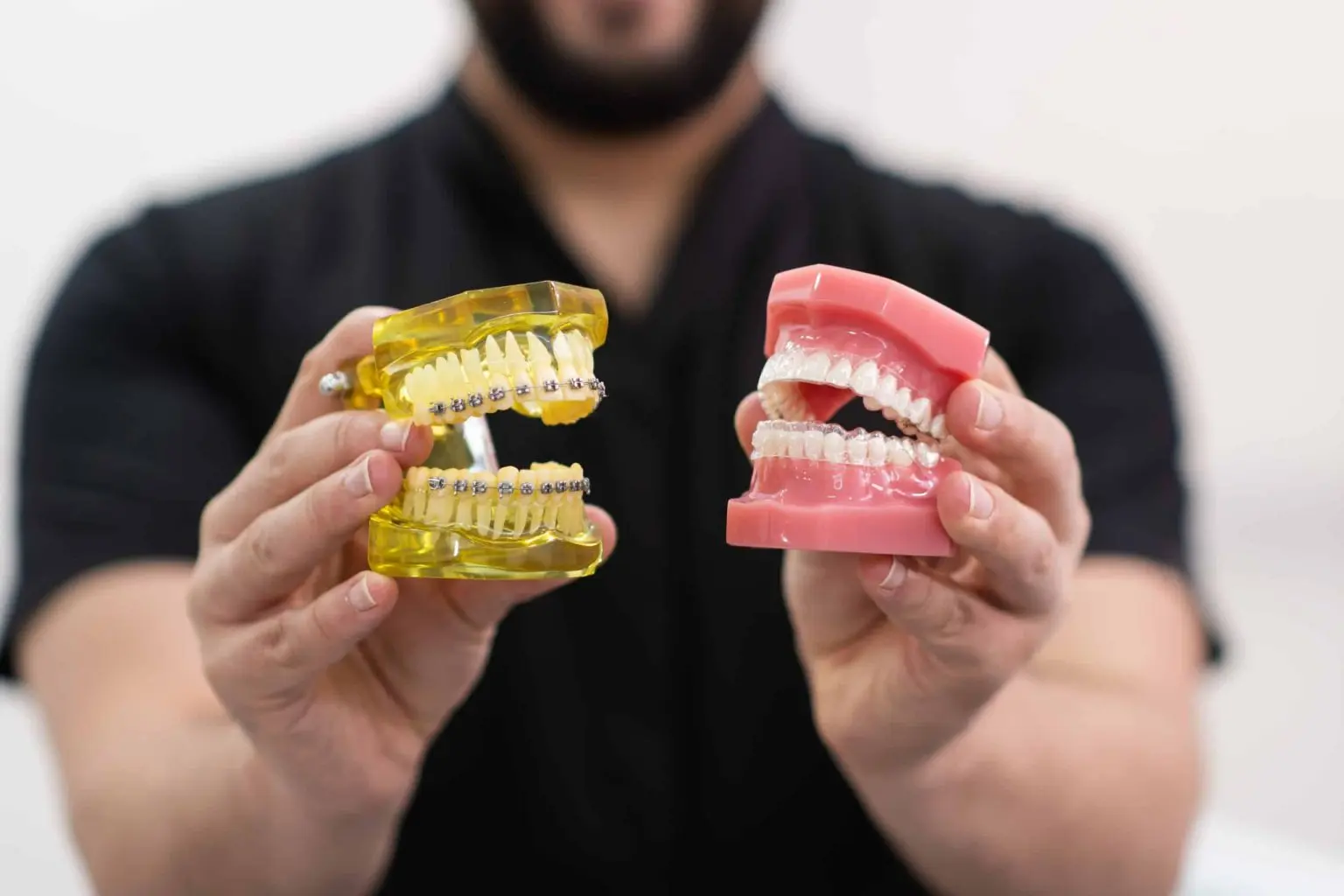
Aligners are designed to be worn throughout the day and night, with removal for meals, brushing, and flossing. Following the recommended wear schedule helps treatment progress at the planned pace—often approximately one tray per week, depending on the clinical plan.
Wearing aligners only at night may still produce movement, but it can lengthen the overall timeline. Honest communication about daily wear makes it easier for the dentist to establish realistic expectations and monitor progress appropriately.
A plan involving fourteen trays may begin with a fourteen-week active sequence, but additional time may be reserved for refinement trays or a tooth that needs further movement. Treatment can range from several months to significantly longer for complex cases.
Stonebriar Smile Design provides a personalized cost estimate after evaluating your smile and can discuss available payment and third-party financing options. Because fees and financing terms can change, the consultation is the appropriate place to review current information.
7. Will I need a retainer after treatment?
The short answer is yes. Retainers are an essential part of protecting the result after active orthodontic treatment.
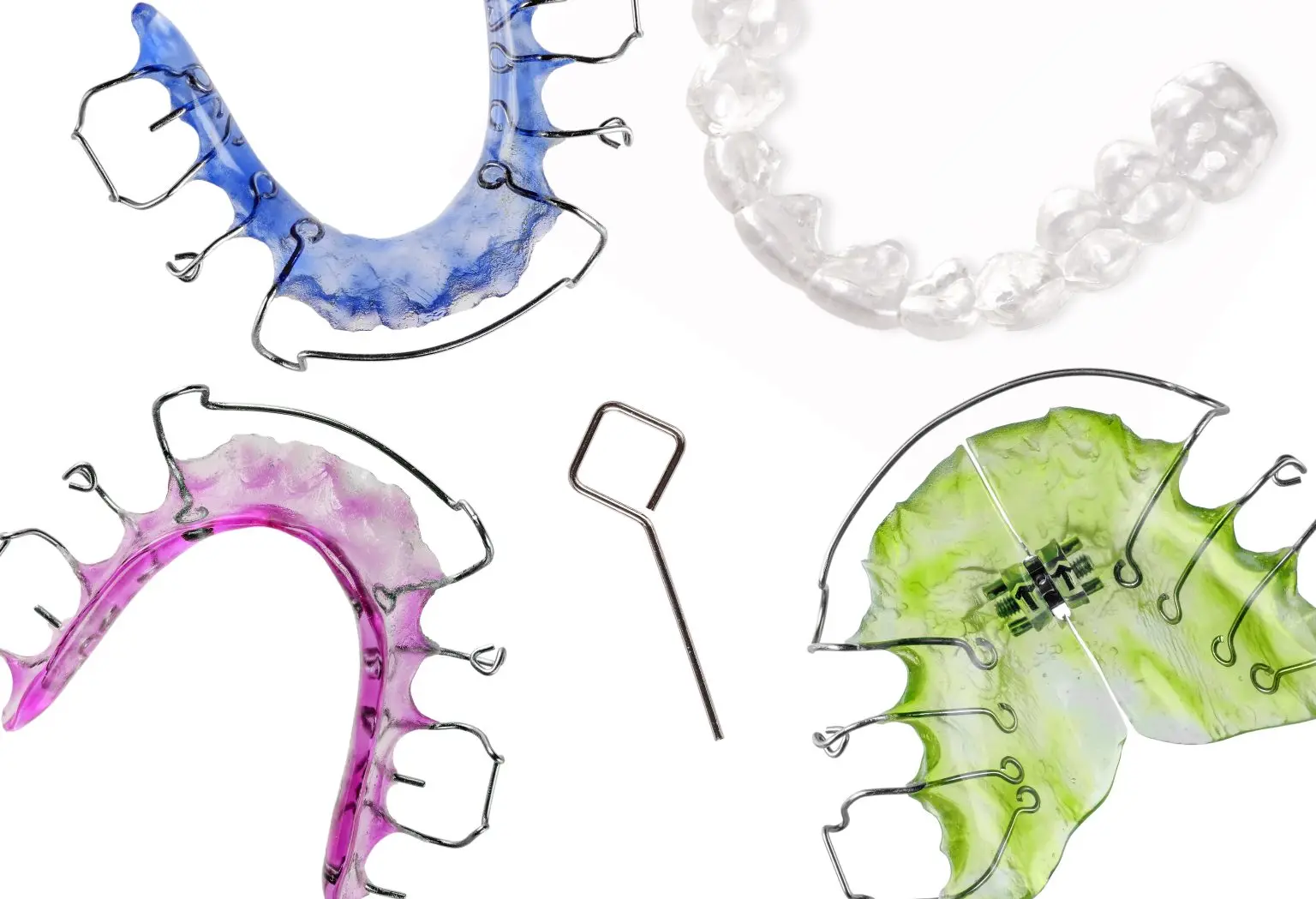
Teeth can naturally shift over time, and the dental arch may gradually become narrower. A retainer helps maintain the space and positioning achieved during treatment, reducing the likelihood that the front teeth will rotate or crowd again.
Nighttime retainers can offer another practical benefit for patients who grind, clench, or tap their teeth while sleeping. The appliance creates a protective barrier that may help limit wear on natural teeth, fillings, and crowns.
Invisalign is a meaningful investment in appearance and function. Consistent retainer use, daily oral hygiene, and routine dental visits all help protect that investment for the long term.
Is Invisalign right for your smile?
Clear aligner treatment should begin with a comprehensive examination and a conversation about your goals, health, bite, and daily routine. Dr. Wade can determine whether Invisalign is appropriate and explain what a personalized treatment sequence may involve.
Explore Invisalign treatment at Stonebriar Smile Design, or watch the related episode of The Beyond Face Value Show.