
Tooth extractions · Frisco, Texas
Relieve the problem.Protect what comes next.Comfort at every step.
When a tooth cannot be predictably restored, a carefully planned extraction can relieve pain, control infection, and create a healthier path forward.
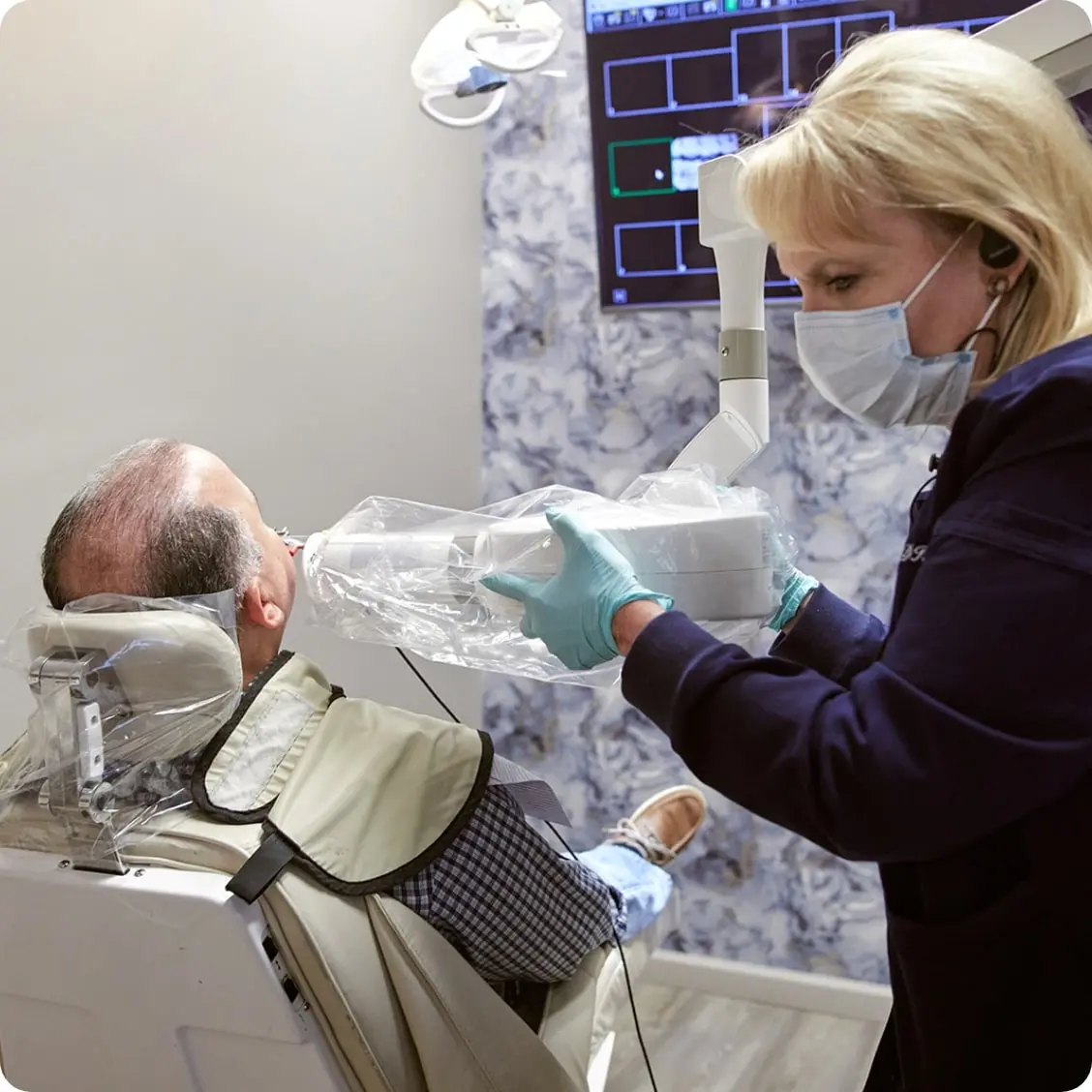
Emergency dentistry for fast relief
Preserve the natural tooth when possible. Remove it when health requires.
Extraction is recommended only after the tooth and surrounding tissues are carefully evaluated.
Severe infection or structural damage can cause intense pain and sometimes cannot be resolved predictably with antibiotics or restorative treatment alone. In those situations, removing the tooth may protect nearby tissues and overall oral health.
Our team explains why extraction is being considered, whether another treatment could save the tooth, how comfort will be managed, and whether the space should later be restored.
Why Stonebriar
Experienced care with comfort built into the plan.
In-house sedation options
Appropriate comfort and sedation choices can be discussed according to your health, anxiety, procedure, and safety needs.
Replacement options available
Bridges, dentures, and dental implants can be considered before removal so the next phase does not feel like an afterthought.
Highly experienced dentists
Careful diagnosis and treatment planning help determine whether a tooth can be preserved or should be removed.

Why a tooth may need removal
Sometimes removal creates the healthiest foundation.
- Severe decay or damage has left too little healthy structure for predictable restoration
- Infection cannot be controlled while the affected tooth remains
- Overcrowding prevents safe orthodontic movement
- Space is needed for a planned partial or complete denture
- A tooth is impacted or trapped beneath the gumline
- Wisdom teeth are painful, infected, impacted, or contributing to crowding
Before treatment
The safest procedure begins with a complete review.
We evaluate the tooth, roots, surrounding bone, infection, nearby anatomy, medical history, medications, allergies, and healing risks. X-rays or 3D imaging may be used when additional detail is needed.
Tell the team about
- Blood thinners and all prescription or nonprescription medications
- Heart conditions, diabetes, immune concerns, or healing difficulties
- Previous reactions to anesthesia or sedation
- Pregnancy or the possibility of pregnancy
- Tobacco, nicotine, and recreational drug use
- Recent illness, fever, or changes in your health
How tooth extraction works
Two approaches, selected for your tooth and anatomy.
The position and condition of the tooth determine whether a simple or surgical approach is appropriate. Local anesthesia is used to numb the area, and sedation may be considered when indicated.
Fully erupted tooth
Simple extraction
After the area is numb, the dentist carefully loosens the visible tooth and removes it from the socket using instruments selected for controlled movement.
- Confirm profound local anesthesia
- Gently loosen supporting fibers
- Remove the tooth with controlled pressure
- Inspect and protect the socket
Impacted or difficult access
Surgical extraction
A small incision provides access to a tooth beneath the gumline. Bone may be conservatively adjusted, and the tooth may be divided into sections for safer removal.
- Access the tooth through a planned incision
- Expose only the area clinically necessary
- Section the tooth when appropriate
- Clean and close the site as indicated
Your appointment
Clear guidance from preparation through the first days of healing.
-
Plan ahead
Follow instructions about food, medications, transportation, and sedation. Stock soft foods and prepare a comfortable recovery space.
-
Numb & protect comfort
Local anesthesia is confirmed before treatment begins. Additional comfort measures are used according to the agreed plan.
-
Remove the tooth
The dentist uses the least invasive suitable technique and evaluates the socket after removal.
-
Begin healing
Gauze, written instructions, medication guidance, diet recommendations, and follow-up needs are reviewed before you leave.
Aftercare & recovery
Protect the blood clot. Support steady healing.
First 24 hours
- Bite on gauze for the time directed and replace it with clean hands
- Rest with your head elevated and use a cold compress as instructed
- Choose cool or lukewarm soft foods and drink plenty of fluids
- Avoid vigorous rinsing, spitting, straws, and touching the socket
Following days
- Clean the rest of the mouth carefully while avoiding the surgical site
- Begin gentle salt-water rinsing only when instructed
- Introduce firmer foods gradually as comfort permits
- Take prescribed or over-the-counter medication exactly as directed
Avoid during healing
- Smoking, vaping, nicotine, and tobacco
- Alcohol when restricted or interacting with medication
- Hard, sharp, crunchy, or very hot foods
- Strenuous activity until the team says it is safe
When to contact the dental team
Healing should trend toward feeling better.
Some soreness, swelling, and light bleeding can be expected early. Contact the office if symptoms are increasing rather than improving or if you are concerned about recovery.
Call promptly for
- Pain that becomes stronger after the first few days
- Persistent or heavy bleeding despite firm pressure
- Increasing swelling, redness, warmth, fever, or drainage
- Bad taste or odor with worsening pain
- Rash, breathing difficulty, or another possible medication reaction
Replacing the missing tooth
Plan beyond the extraction to protect function and alignment.
Not every removed tooth must be replaced, but leaving some spaces open can allow neighboring teeth to shift and may affect chewing or bite balance. We discuss timing and options before treatment whenever possible.
Dental bridge
A fixed restoration replaces one tooth or several neighboring teeth using adjacent support.
Explore dental bridgesPartial or complete denture
A removable restoration can replace several teeth or a complete arch with a design tailored to the smile.
Explore denturesDental implant
An implant replaces the root-like foundation and supports a crown, bridge, or full-arch restoration.
Explore dental implantsTooth extraction FAQ
Know what to expect before treatment day.
How should I prepare for a tooth extraction?
Follow the personalized instructions provided by the dentist. These may cover eating, medications, recovery supplies, and transportation. If sedation is planned, arrange for a responsible adult to drive you and follow all fasting instructions.
Does getting a tooth extracted hurt?
The area is thoroughly numbed before treatment, so you may feel pressure but should not feel sharp pain. Soreness after the anesthetic wears off is common and is managed according to your post-operative plan. Contact the team if pain worsens after initially improving.
Can I leave the space empty?
That depends on the tooth, bite, and future treatment. Some spaces can contribute to shifting, chewing changes, or altered bite forces. The dentist will explain whether replacement is recommended.
What can replace an extracted tooth?
Options may include a dental bridge, partial denture, complete denture, or dental implant. Health, bone, neighboring teeth, timing, preferences, and cost all influence the recommendation.
Can I smoke or vape after an extraction?
No. Smoking, vaping, and nicotine can impair blood flow, disrupt the socket, delay healing, and increase complications such as dry socket. Follow the specific abstinence period provided by your dental team.
How long does recovery take?
Early discomfort often improves over several days, while soft tissue and bone continue healing longer. Surgical complexity, tooth location, health, habits, and aftercare all affect the timeline.
What is dry socket?
Dry socket can occur when the protective clot is lost or breaks down before the socket has healed. Increasing pain, bad taste, or pain radiating toward the ear should be reported promptly.

Relief with a plan
Move from tooth pain toward a healthier next step.
Request an evaluation with our Frisco team to understand whether your tooth can be restored or should be removed.